
In the course of two years, public health decision-making has become more and more politicized.
This has persisted and affected COVID-19 mitigation efforts such as vaccines and boosters.
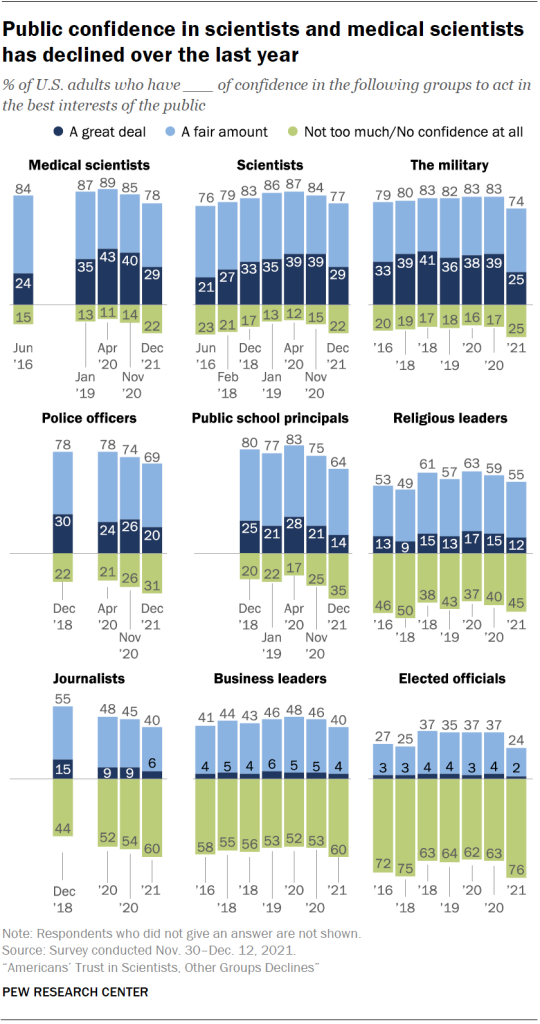
Almost 60% of U.S. adults reported confusion over what public health officials’ recommendations to follow because of changing messaging, according to Pew Research.
From the start of the Coronavirus pandemic, Flatland reporters followed talking points and community health care needs. Local leaders turned to public health officials to determine the next steps to protect their communities. Meanwhile, the majority of the public watched from home, waiting for guidance, confused by the ping pong of mandates and guidelines.
That’s why Blanca asked curiousKC: “How can we stop politicizing a literal virus and get more people vaccinated and educated?”
This has been the locus of discussion for people across the city, many of whom spoke with us at the start of the pandemic. It’s also not an easy question to answer.
Here’s a round-up of articles that include interviews and insights from experts — from professors to other community voices — who can help shed light on this complicated topic.
Three months into the pandemic, Jack Zhang – political science professor – spoke to The Filter podcast about the “politics of a pandemic”
Zhang spoke about his parents, who are doctors and alerted him to the virus early on, why racist language was so detrimental to the Asian community and what he learned as a political scientist. Check out the full episode here and read the outtakes of the interview here.
The Filter Podcast interviewed two experts to explain why health measures are influenced by political or social rhetoric, and how they’ve managed to hack through the weeds of misinformation.
Listen to the full podcast episode here.
Last summer, two Kansas City scientists who worked directly on the vaccines to combat COVID-19 explained their process and what they want people to know about the science.
Read the full article here.
Vaccine hesitancy wasn’t just a partisan issue, as Flatland summer intern Marissa Plescia learned.
Read her story here.
Confusion about what the shots do or didn’t do spread like wildfire. One common misconception was that the vaccines cause shingles. Experts say that isn’t true.
Here are two reports that explain why a vaccine isn’t the cause for flare up. One common theme was that “correlation doesn’t imply causation.” Read the articles here and here.
Education has been a big focus for community health workers like Jason Glenn and Brenda Linares and bioethicists like Yolonda Wilson. Here’s how they’ve responded to wariness, why access to education is integral to empowering communities and what we can learn from their efforts.
Read the full article here.
Vicky Diaz-Camacho covers community affairs for Kansas City PBS.
Reading these stories is free, but telling them is not. Start your monthly gift now to support Flatland’s community-focused reporting.

Related Stories
curiousKC | What Questions Do You Have Since HIV/AIDS First Emerged 40 Years Ago?
This month, Flatland reporters focus on the implications the HIV epidemic has had on health equity. What questions should we cover?
curiousKC | How Mexican Communities Kept KC Boxcars Cold
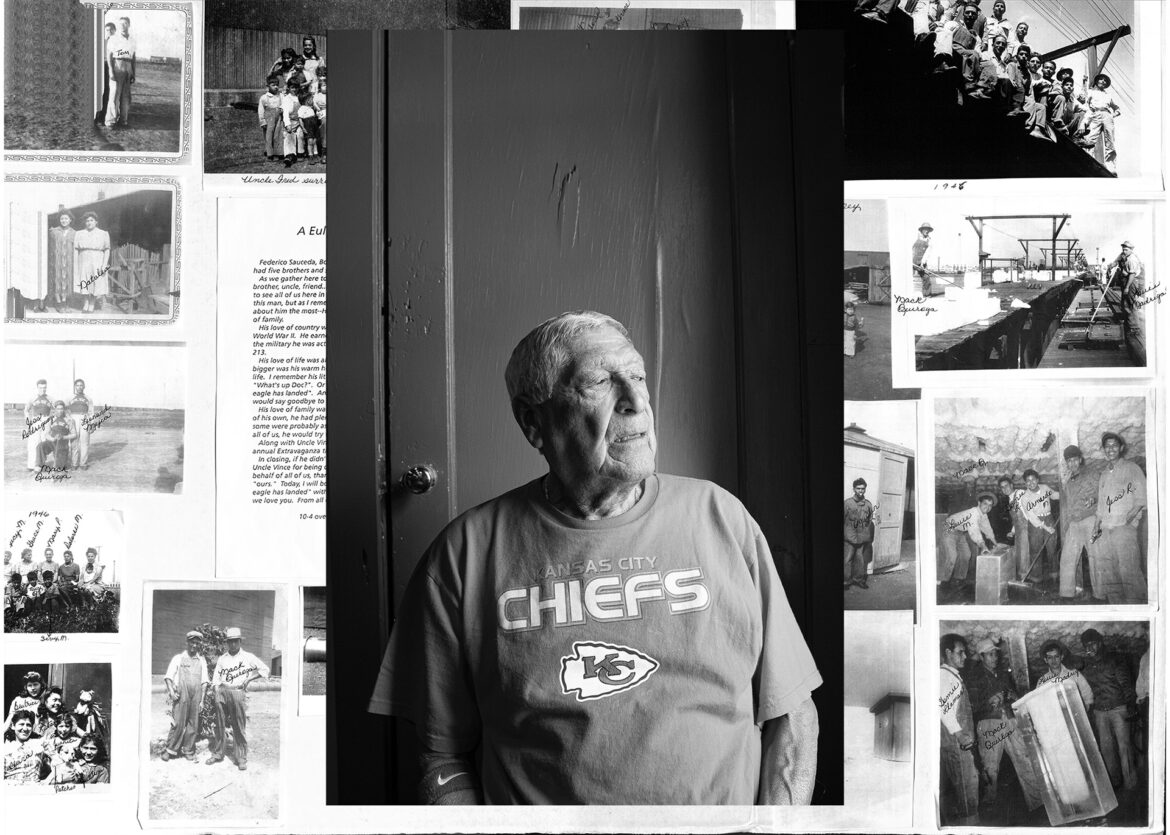
This is the story of "La Hielera" aka "The Ice Plant," the tiny Mexican community nestled behind the 42nd Street Bridge and Santa Fe Railroad main line.

curiousKC | Here’s How to Stay Healthy These Days, Say KC Health Leaders
Here's what local health care experts and public health researchers want you to know about COVID-19 right now.