
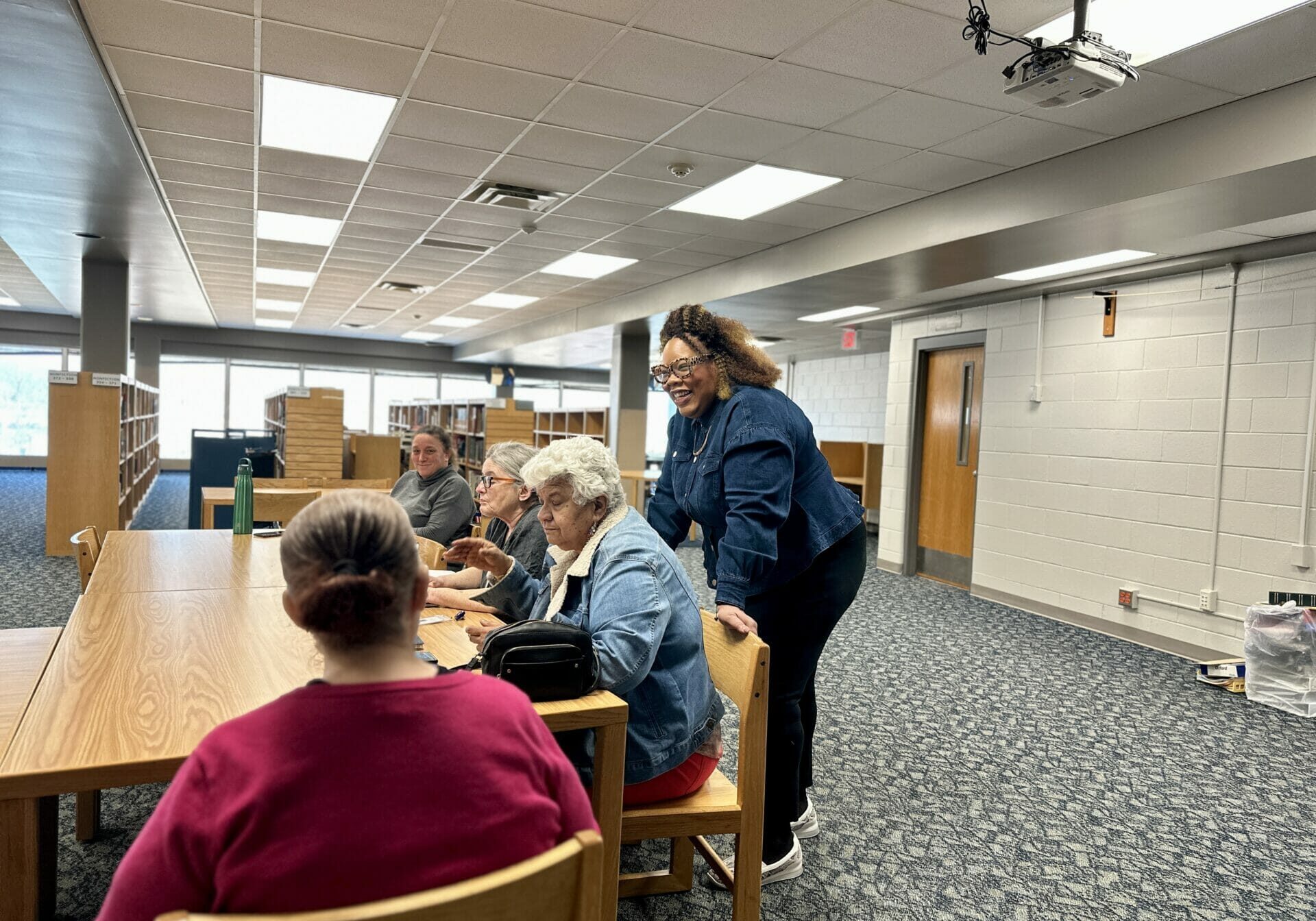
curiousKC | A Resource Guide for Youth with Developmental Disabilities
April 24, 2023 | | 6 min read
The transition from youth to adulthood is rarely an easy one. While many high school graduates are eager to start their lives, become independent and take on the world, they may be asking themselves questions such as: “Is college for me? What should I major in? Where do I want to live?”
However, for people with developmental disabilities and their families, who want their loved ones to have the same opportunities as their classmates, graduating from high school may feel like a dead end. For those folks, the questions being asked are more like: “What are my options after high school? Who can help me navigate this transition? Why is it so difficult to access programs designed for me?”
This drastic difference in transitional experience from youth to adulthood led one curiousKC reader to ask a different question: “What is being done for individuals with profound disabilities?”
The following resource guide is intended to provide important information to individuals with developmental disabilities, and their families, who may be struggling to navigate the transition from youth to adulthood.
Common Questions
What is a developmental disability?
Developmental disability is an umbrella term used to describe a variety of conditions that can affect a person’s ability to function physically and/or mentally. According to the Centers for Disease Control and Prevention (CDC), “These conditions begin during the developmental period, may impact day-to-day functioning, and usually last throughout a person’s lifetime.”
The CDC says about 17% of children between the ages of 3 and 17 years old have one or more developmental disabilities, which may include autism spectrum disorder, cerebral palsy, and other developmental delays.
What are transition services?
Transition services typically provide support and help individuals with disabilities develop skills related to education, employment, housing and community involvement.
Why aren’t individualized educational programs enough?
Throughout their educational career, many students with developmental disabilities, particularly those with an Individualized Educational Program (IEP), are supported by a team of educators, parents and advocates who help them identify available opportunities.
Michelle Mitchell, the mother of Gerald, a 17-year-old with autism, stresses how important IEP meetings are for her son.
“There are occupational therapists there,” Mitchell said, “his speech therapists, everybody that’s there, working as a team, that really know Gerald … IEP (meetings) will be two and a half, three hours long, because we’re just really going round and round, just trying to find every opportunity available for him.”
However, a student’s IEP ends when they graduate from high school, along with many of the resources that come with it, which can make the transition after high school more challenging.
Karrie Shogren, director of the Kansas University Center on Developmental Disabilities, said individuals with disabilities, and their families, often describe the post-secondary transition into adulthood as a cliff.
“Getting past the transition cliff is really difficult,” Shogren said. “We hear so many stories as a center, families share stories, about the breakdowns that happen, that there are not the right supports, that they can’t access them because of either long waiting list, or that the supports aren’t really aligned with what they want … So there are issues and needs within systems that we have to address. And so it can be very challenging, you know, as you’re moving through that transition process to line up the right set of supports in the community.”
This is why finding transition services early on is essential to ensure that an individual with developmental disabilities has the necessary resources and support systems in place after graduation.
Unfortunately, many individuals with developmental disabilities, and their families, have difficulties finding or accessing these services.
“That transition period, unfortunately, we don’t provide a ton of support,” said Mia Rublee, director of the Disability Justice Initiative at American Progress. “Even for people who are in IEPs, a lot of them get to see all of their support sort of drop off, and unless they know, either they or their parents, know exactly what to advocate for, they’re just at a disadvantage and they’re navigating all of these systems to try and ensure that this individual is able to either go to school or get a job.”
That is why we’ve compiled a list of transition services for youth with developmental disabilities in the Kansas City area below.
Transitional Services Available in the Kansas City Metropolitan Area
The Farmer’s House aims to empower youth and young adults with developmental disabilities. They are a local market that, aside from selling an assortment of goods, provides youth with disabilities with early work experience, social enrichment and prepares them for entrepreneurship by teaching them the many aspects of running a small business. The Farmer’s House offers programs in Weston, Missouri, Platte City, Missouri, and Westwood, Kansas. Their admission criteria can be found here.
Life Unlimited aims to support adults with intellectual and developmental disabilities as they navigate through life. It is the largest services provider for adults in the Kansas City area and serves more than 1,000 adults. The group provides services that include housing focused on community integration, employment services, recreational programs and more. To access programs, contact Life Unlimited here.
The Transition Academy aims to help youth with disabilities in exploring college and career opportunities. The academy provides a network of resources available to students beyond high school, can provide training for parents and caretakers, and has a yearly career and resource fair open to students, families, and schools. To enroll in the program, fill out the intake form here.
Ability KC serves children and adults with disabilities. With multiple locations in the area, Ability KC provides services that include outpatient medical rehabilitation, therapeutic preschool, employment services and more. Information about admissions can be found here.
The Whole Person aims to empower people with disabilities by connecting them with resources in the community. The Whole Person offers independent living skills training, provides employment services, connects individuals with peer support groups and mentoring, and more. Visit the website to learn more.
Job One provides employment services, as well as community-based day services to individuals with disabilities. Through a partnership with AbilityOne, Job One offers jobs at various federal facilities in the area. To apply, visit the website.
Additional Resources and Educational Material
https://www.abilityone.gov/contact_us/index.html
https://disabilityvisibilityproject.com/about/contact/
https://mn.gov/mnddc/parallels/
https://disabilities.temple.edu/resources/disability-rights-timeline
Graciela Becerra is an intern at Kansas City PBS.

Reading these stories is free, but telling them is not. Start your monthly gift now to support Flatland’s community-focused reporting.

Related Stories
Nick’s Picks | Roads, Bathrooms, Costco and More …
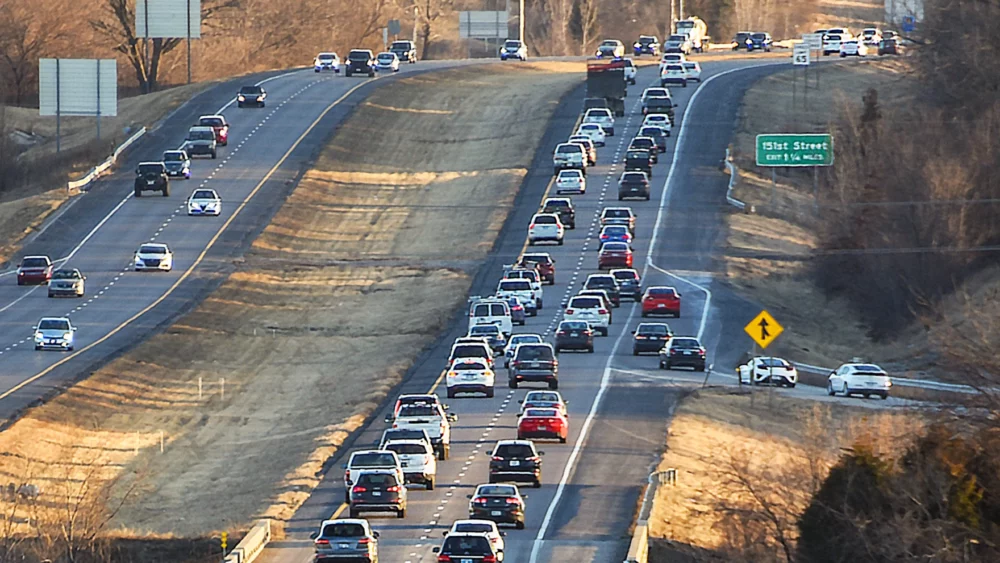
New Toll Road Opens Kansas City’s first toll road opens this week. Starting Saturday, you’ll pay up to $3.50 to travel the new express lanes on U.S. Highway 69 from 103rd to 151st streets in Overland Park. There are no toll booths — cameras scan your license plate, and a bill arrives by mail. KTAG…
Up From the Ashes: Warwick Theatre Revival Draws Applause
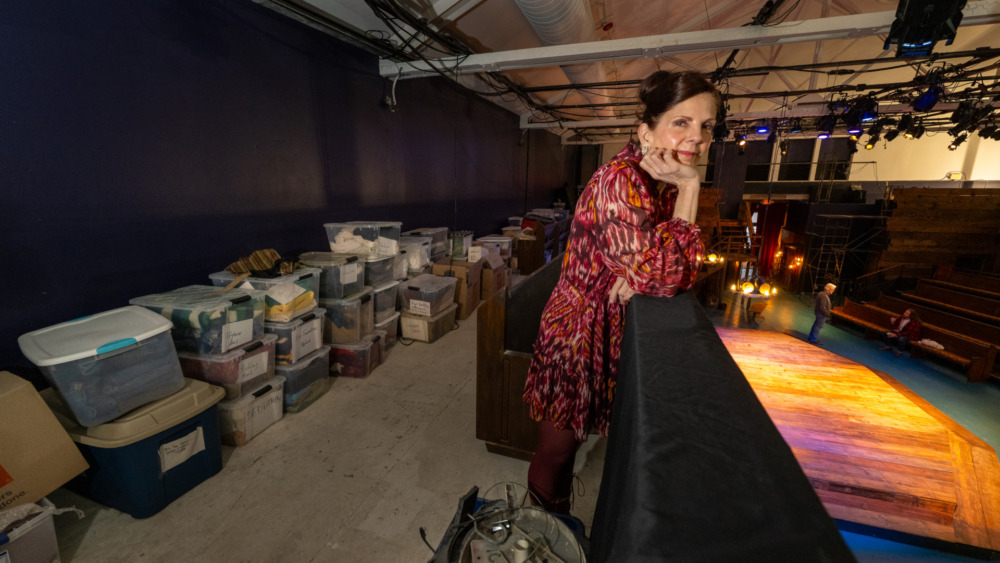
Two years ago, John Cleary met a fellow Kansas City actor for drinks. Their conversation centered on the fate of the Metropolitan Ensemble Theatre. A large portion of the ensemble’s home, the Warwick Theatre, was ash, charred timbers and soot-saturated costumes and props — remnants from a recent massive fire. The destruction was so great…

Nick’s Picks | Baseball, Drones, Romance and More …
Royals Reveal Next week, the Kansas City Royals head to Arizona for Spring Training. And that’s the mayor’s self-imposed deadline to lock in a stadium deal. So, is this finally the week owner John Sherman steps to the plate and unveils where the Royals will build their next home? At last week’s council meeting, Mayor…