
Curbing KC Food Waste, Tackling Climate Change
February 10, 2022 | | 5 min read
Transforming food waste into golden compost and keeping it from belching climate harming landfill gasses is the new frontier for a growing number of Kansas City area residents and companies.
In Missouri, American Century Investment Towers, Pembroke Hill Schools, Whole Foods and the Wornall Plaza — along with many others — have signed up to participate in FRED, Food Residual Environmental Diversion, to keep food waste out of garbage dumps and get it recycled as compost.
One couple has bought a 26-acre Eudora farm to anchor its Food Cycle KC food waste recycling effort, which focuses on the Kansas side of the metro.
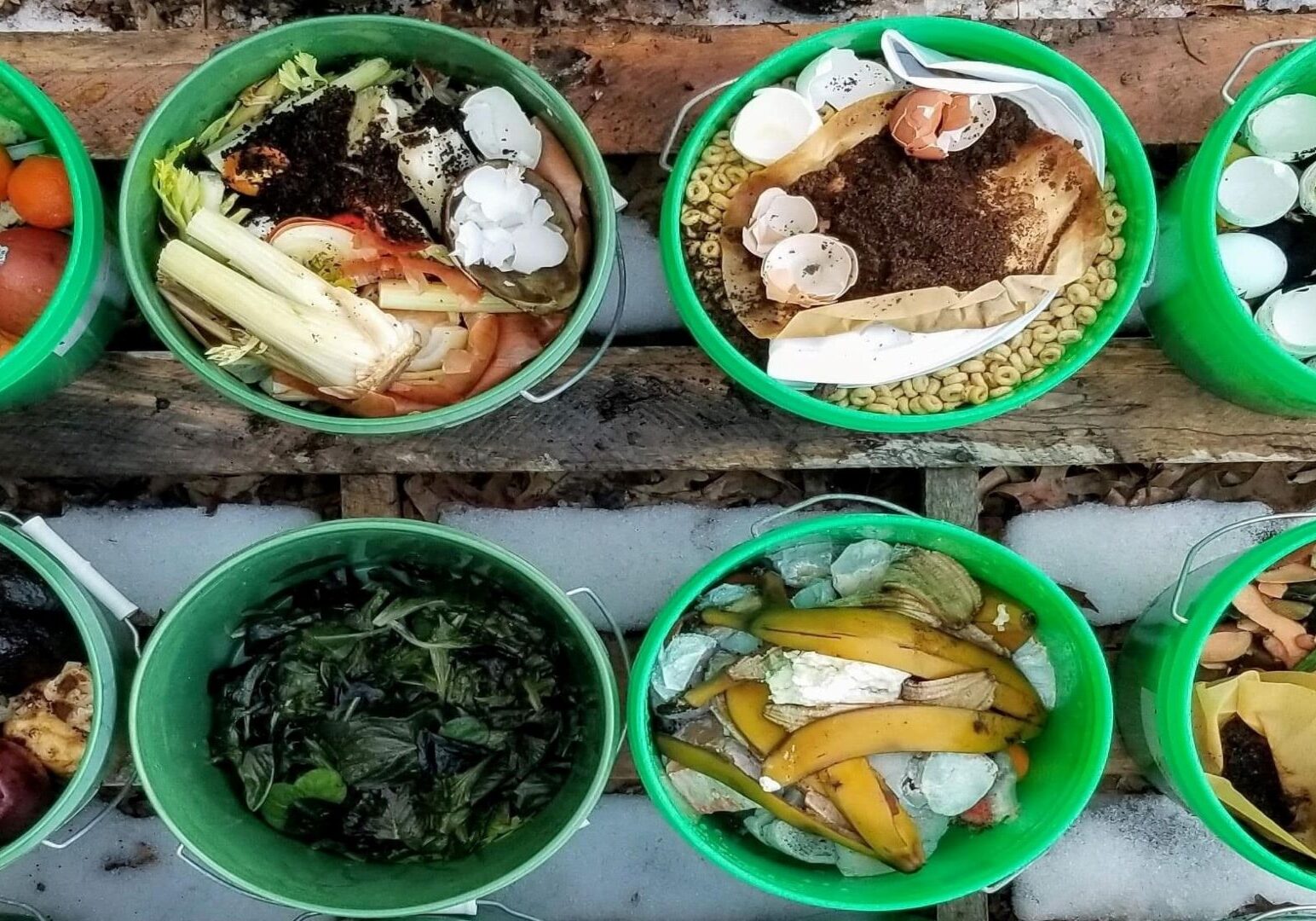
In two years, Food Cycle KC has rapidly enlisted 500 homeowners from Overland Park, Lenexa, Fairway, Prairie Village, Shawnee, Olathe and a host of other locales, collecting eggs shells, coffee grounds, dryer lint, dog hair, wine corks and much more in spiffy green containers picked up curbside weekly or every other week, depending on the customer’s preference.
Karen Ramsey, who runs Food Cycle KC with a small squad that includes four drivers and some bucket washers, says her aim is to double her program participation to 1,000 this year.
Her target demographic: “Early 20s to post-retirement. Single, married, kids/no kids. Majority who sign up are women. Primary attributes are individuals who want to do something to help the environment or who think food should not be wasted.”
The company — Ramsey’s first business venture — describes its mission on its website: “With as much as 23 percent of local landfill content coming from food waste, you have the ability to reduce waste, reduce greenhouse gas emissions, and support your community and local farming. The food you don’t eat doesn’t have to go to waste!”
Food waste in America is a bigger contributor to climate change than the domestic airline industry with its 5,700 flights zipping overhead each day.
Around the globe, food waste contributes 8% of greenhouse gas emissions.
The low-hanging, maybe slightly funky fruit for all of us would be to capture that food waste and convert it into compost.

Vermonters, who are a bit more aggressive than most, recently became one of the first states to require food waste to be separated from trash, using it to create biogas to make electricity, fertilizer or other byproducts.
On the West Coast in Berkeley, California, virtually every driveway has a trash can dedicated to food waste. In Portland, 800,000 tons of food and yard waste has been collected in the past decade, enough to enrich 1,500 acres of farmland.
Rachel Stroer, president of the Land Institute, a Salina-based, globally recognized nonprofit dedicated to sustainable agriculture, said Kansas and the Midwest are ripe to embrace similar efforts to divert food waste from landfills.
“An ethic of conservation is very deeply rooted in the historic communities of the region,” she said. Stroer said her grandmother in Minneapolis, Kansas, outside Salina, “ran a zero-waste household” as did her Mennonite forbearers in the area.
Climate change is already producing drought and floods and violent weather that makes it increasingly difficult to feed the world’s 8 billion people.
Natural ecosystems need to be brought into farming through increased use of perennial and diverse grain crops, Stroer said, while a natural rural “conservative” ethic of sustainability needs to spread to our urban centers in Kansas and beyond.
Ramsey agrees. She was working at Cerner Corp. on product management and strategy when she decided in 2019 to take a gap year off and volunteered at Climate Action KC to work on environmental action. And that, she said, “got me on this path.”
Her husband, Alan Staples, has been at Cerner 15 years where he is now a product manager.
The couple, who have three children, bought the Eudora acreage to serve as the base of operations for Food Cycle KC.
Residences and commercial accounts — they have a half dozen business customers — are assigned a specific day of the week for pickup based on zip code. Initially Ramsey did all the driving but she now is assisted by four drivers.

Residential customers can opt for a three-gallon or five-gallon container — the price is the same for either. On the designated day the container is picked up and a clean new container is left.
In Overland Park, the service after a $10 signup fee is $27.50 per month for weekly service and $16.50 a month for bi-weekly service. Commercial service, after a $125 sign up fee, is $75 a month for weekly pickup of a 94-gallon rolling bin.
Twice a year, in fall and spring, customers can elect to receive for free a 25-pound sack of compost ready to be placed on flower or vegetable gardens.
In addition to creating the compost on the Eudora farm, Ramsey and her squad have planted a Giving Grove on the land — small orchards to produce fruits, nuts and berries made available for free in Kansas City area neighborhoods lacking adequate, affordable supplies of the nutritious foods. Apples, pears, peaches, cherries and jujubes — also known as the Chinese date — are destined for households that needs the nutritional assistance.
Ramsey said she and her drivers are constantly questioned by neighbors of their customers curious about the small buckets sitting in driveways.
“The most common thing they say is, ‘I didn’t know I could do this,’” Ramsey said. “People who use it love it.”
Martin Rosenberg is a Kansas City writer and host of the U.S. Department of Energy “Grid Talk” podcast on the future of electricity.

Reading these stories is free, but telling them is not. Start your monthly gift now to support Flatland’s community-focused reporting.
Related Stories
Nick’s Picks | Roads, Bathrooms, Costco and More …
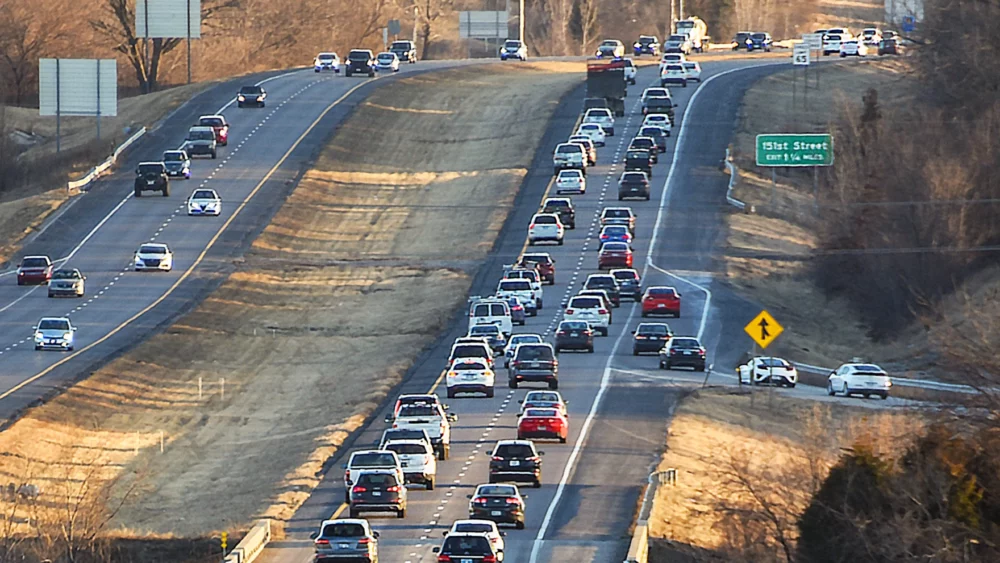
New Toll Road Opens Kansas City’s first toll road opens this week. Starting Saturday, you’ll pay up to $3.50 to travel the new express lanes on U.S. Highway 69 from 103rd to 151st streets in Overland Park. There are no toll booths — cameras scan your license plate, and a bill arrives by mail. KTAG…
Up From the Ashes: Warwick Theatre Revival Draws Applause
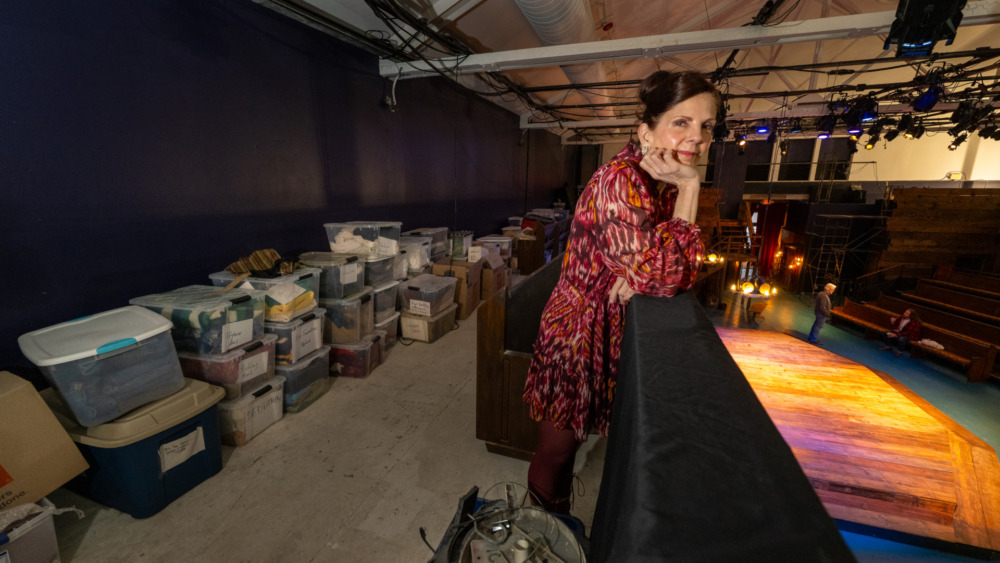
Two years ago, John Cleary met a fellow Kansas City actor for drinks. Their conversation centered on the fate of the Metropolitan Ensemble Theatre. A large portion of the ensemble’s home, the Warwick Theatre, was ash, charred timbers and soot-saturated costumes and props — remnants from a recent massive fire. The destruction was so great…
Nick’s Picks | Baseball, Drones, Romance and More …
Royals Reveal Next week, the Kansas City Royals head to Arizona for Spring Training. And that’s the mayor’s self-imposed deadline to lock in a stadium deal. So, is this finally the week owner John Sherman steps to the plate and unveils where the Royals will build their next home? At last week’s council meeting, Mayor…