

A lot has changed in the three decades since the idea of building an aqueduct from the Missouri River to western Kansas was first studied and shelved. For one thing, the water shortages that were mere projections then are now imminent. That reality has prompted state officials to dust off the study and re-examine the aqueduct idea.
Western Kansas is heavily dependent on the Ogallala Aquifer. But since 1950, that ancient supply of underground water has been rapidly depleted by irrigation. That irrigation produces corn, which is fed to livestock to support the beef and, more recently, dairy industries, which are the foundation of the western Kansas economy. But water levels have dropped so low in parts of more than 30 counties that irrigation pumps can no longer be used there. That’s why rivers in western Kansas are little more than dry stream beds.
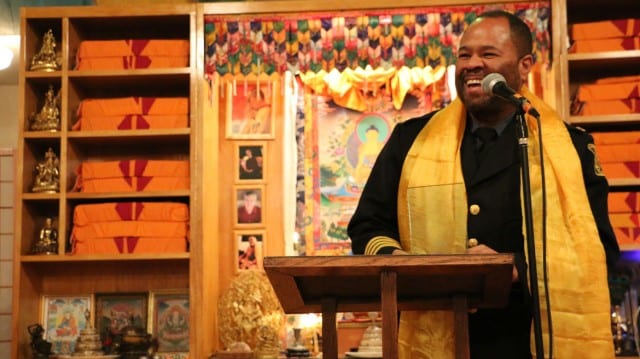
When the bell sounds, the room goes still. All eyes are closed or looking upward. Hands are folded or holding the hand of a neighbor. All this signifies the beginning of the 29th annual meditation for world peace as a part of an interfaith gathering at the Rime Buddhist Center in Kansas City, Missouri, at…

A top health official at the University of Kansas Hospital said the severity of this year’s flu outbreak is requiring inpatient admissions at a rate more than three times that which it generally sees during flu season.

The Clay Hunt SAV Act, named for a Marine who committed suicide in 2011, would create a peer support and community outreach pilot program and an interactive website to help veterans find resources in their area. It also would offer student loan repayment to psychiatrists who choose to work at the VA and require annual evaluations of suicide prevention programs within the VA and the U.S. Department of Defense to determine their effectiveness.

A sniper’s bullet tore through U.S. Army Sgt. Jamie Jarboe’s neck while he was on patrol during a tour of duty in Afghanistan in April 2011. The bullet shattered three vertebrae, severed Jarboe’s spinal cord and caused severe bleeding. It was the kind of wound that almost certainly would have been fatal in previous conflicts.…
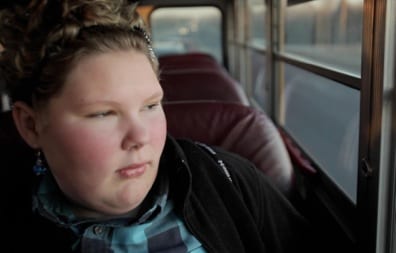
Just who’s to blame for the childhood obesity epidemic? Over the years, the finger has been pointed at parents, video games and vending machines, to name a few. To the makers of the new activist documentary, “Fed Up,” the bottom line of blame lies with a simple substance poured into our diets every day: sugar. And the pushers of what this film calls a drug and “the new tobacco” are the food industry and our own government.

The U.S. Department of Agriculture touches Americans from the field to the cafeteria, with a bevy of programs that include subsidies for farmers and for school lunches. It also has a role in supporting rural communities more generally, with things like broadband internet, telemedicine and microloans for entrepreneurs. It’s a diverse mandate, but it fits…
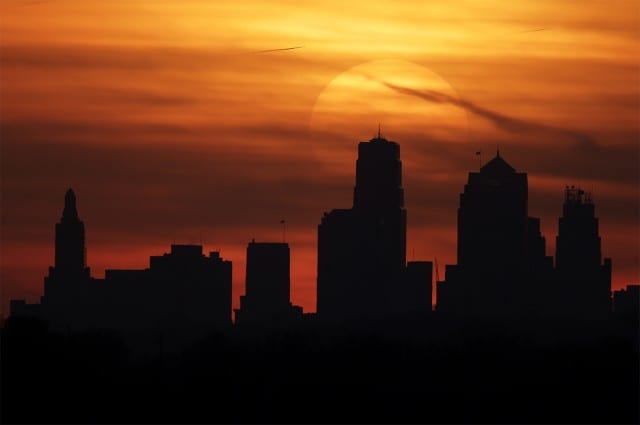
It’s that time of year, when nearly every news outlet and publication comes up with some sort of list to try and make sense of the previous twelve months. Here at Flatland, we are no different. We’ve compiled some of the top stories from the Kansas City Metro Area using Flipboard, a simple application that…
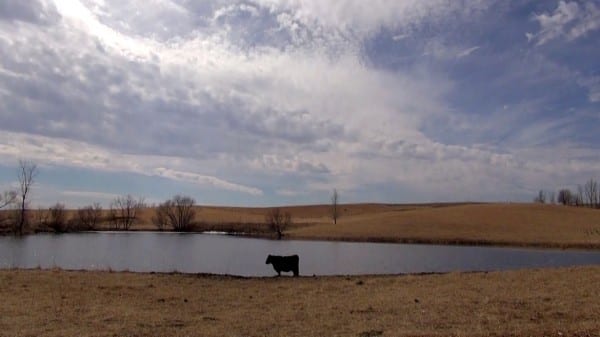
Harvest Public Media was created four years ago to report on agriculture and food production in the geographic area where the majority of that takes place – the Midwest. This year, my third of counting the top ag stories of the year, I find that the issues taking center stage were set not here, but in the politics, policies and processes of Washington D.C., state legislatures or the ballot box.

For the Midwest’s biggest crops, this harvest season was a big one. With winter setting in, the race is on for farmers to ship out their harvest so it’s not left out to spoil. But the giant harvest and a lack of available rail cars have created a traffic jam on the rails and the…
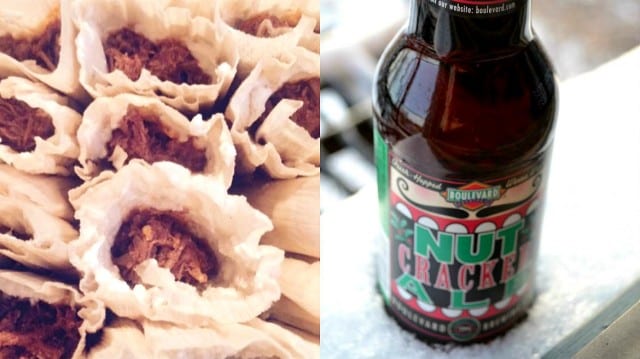
The holidays bring us together around tables of all shapes and sizes. While the kids may think this time of year is about presents, the grown-ups know that it is really about what goes in your glass or on your plate. Flatland blogger Jonathan Bender reached out to the folks usually responsible for filling your bellies with holiday cheer to find out which foods they’d consider to be merry and bright and which they’d ship to the North Pole. Here are the excerpts from their conversations with Jonathan.

During the past eight years, the philanthropic community has spent about $8 million on a wide-ranging program aimed at improving health services for low-income individuals in the Kansas City area.
The REACH Healthcare Foundation and the Health Care Foundation of Greater Kansas City (HCF) have provided nearly three quarters of the total funding. But now, the collaboration and the various efforts it has spawned are taking on a more targeted approach heading into 2015.

Earlier this month, the Kansas City region was named one of 16 Climate Action Champions by the White House and the U.S. Department of Energy. This year’s class of award recipients also includes Boston, Knoxville, Seattle and others.
Earlier this month, the Kansas City region was named one of 16 Climate Action Champions by the White House and the U.S. Department of Energy. This year’s class of award recipients also includes Boston, Knoxville, Seattle and others.

Many beer aficionados are familiar with the rare breweries run by Trappist monks. The beer is highly sought after, but it’s not the only food or drink made by a religious order. Many abbeys and convents have deep roots in agriculture, combining farm work with prayer.
Just five miles south of the Colorado-Wyoming border you’ll find one of these places. Idyllic red farm buildings sit in the shadow of the main abbey, all tucked in a stony valley. At the Abbey of St. Walburga, cattle, water buffalo and llamas graze on grass under the watchful eye of Benedictine nuns.