
I grew up attending public schools in a small northern Illinois town — Woodstock. My teachers taught me almost nothing about the Indigenous people who once occupied that land, perhaps because they knew little or nothing about that subject.
It wasn’t until much later that I learned the Illini, Miami, Ho Chunk and Pottawatomie tribes considered that part of Illinois home.
Nor was I taught much as a kid about any Indigenous people anywhere in what became the United States.
Well, I did learn, as the ditty went, that “Columbus sailed the ocean blue in fourteen hundred and ninety-two” and “discovered America.” But I recall hearing nothing about the ruinous diseases and cultural genocide that Christopher Columbus, his crew and the European invaders who followed him visited upon residents of what became known as the New World, a term that simply revealed the ignorance of whoever coined it.
I did, however, spend most of my 11th and 12th years living in India (my father was part of a University of Illinois agricultural team), so I wound up knowing a fair amount about India’s Indians — much more, in fact, than I ever learned about American Indians.
But in a few small ways my knowledge and understanding of Indigenous matters have started to improve. Beyond that, there have been some welcome developments relating to Native Americans more broadly.
For instance, there are efforts to change what schools teach about Native American history. Maybe that will produce people who aren’t as ignorant as I was about the history of the nearly 600 federally recognized Indigenous tribes.
In addition, I’m glad that Indigenous Peoples’ Day will be celebrated on Oct. 10 and that in many places it has replaced “Columbus Day,” a commemoration of an early colonialist tendency that eventually would infect the world with a disease of domination from which we’re still recovering.
Columbus Day remains an official federal holiday, but I’ve come to think of it the way I think about statues of Confederate generals. We shouldn’t destroy either the day or the statues, but, rather, put them in museum-like settings where their history can be accurately explained.
As Indigenous Peoples’ Day approaches, I hope more people in the Kansas City area will educate themselves about the many Native Americans who are part of our community and about the history of how their ancestors and ours related to one another. (Some of those American Indians, by the way, have been working to convince Kansas City’s National Football League team to change its name and quit appropriating Indigenous culture. (Good for them.)
To help members of my congregation with that educational task, we have created an Indigenous resources list that is, of course, incomplete, but it’s growing. You’re free to borrow it, copy it, share it and make suggestions to add to it. (We also have a Black/Brown resources list.)
As we’ve worked on the Indigenous list, we’ve connected with the Kansas City Indian Center, which has adopted this mission: “to encourage social, educational and economic advancement of the American Indian community by promoting traditional and cultural values.”
We’ve also been visiting places where we can learn more about Indigenous history and the Indigenous present.
We’ve been, for instance, to the Shawnee Indian Mission in Fairway. That has led us to learn more about the hundreds of federally sponsored — but often church-run — boarding schools for Native children in the U.S. and Canada that were created to strip away Indigenous culture and language from the students (many were forced to attend) and essentially turn them into white kids with no connection to Native American spirituality practices. A revealing and damning new federal report on all this was released earlier this year.

That sad history of cultural genocide has moved us to find out what role various faith communities played in it. Many, in fact, were involved, including us Presbyterians, Methodists (who ran the Shawnee Indian Mission), Catholics, Quakers and others.
It’s what happens when religious institutions adopt the cultural and political views of the broader society without adequate and careful theological analysis. The same thing happened to churches that justified slavery and then, later, favored legal racial segregation.
We’ve also visited the Nerman Museum of Contemporary Art at Johnson County Community College to see its surprisingly large collection of Indigenous art.
In the spring we visited the Fort Osage National Historic Landmark in eastern Jackson County and we traveled to the new First Americans Museum in Oklahoma City and the Osage Nation Museum in Pawhuska, Oklahoma.

Beyond that, we’ve been reading books, reports, web sites and other material about Indigenous matters, including this recent Missouri Times article about “untold stories of Native nations who inhabited the land that would become Missouri.”
We are well aware that we can’t undo history. And we know that our small group of church folks can’t, by ourselves, repair the harm done over centuries.
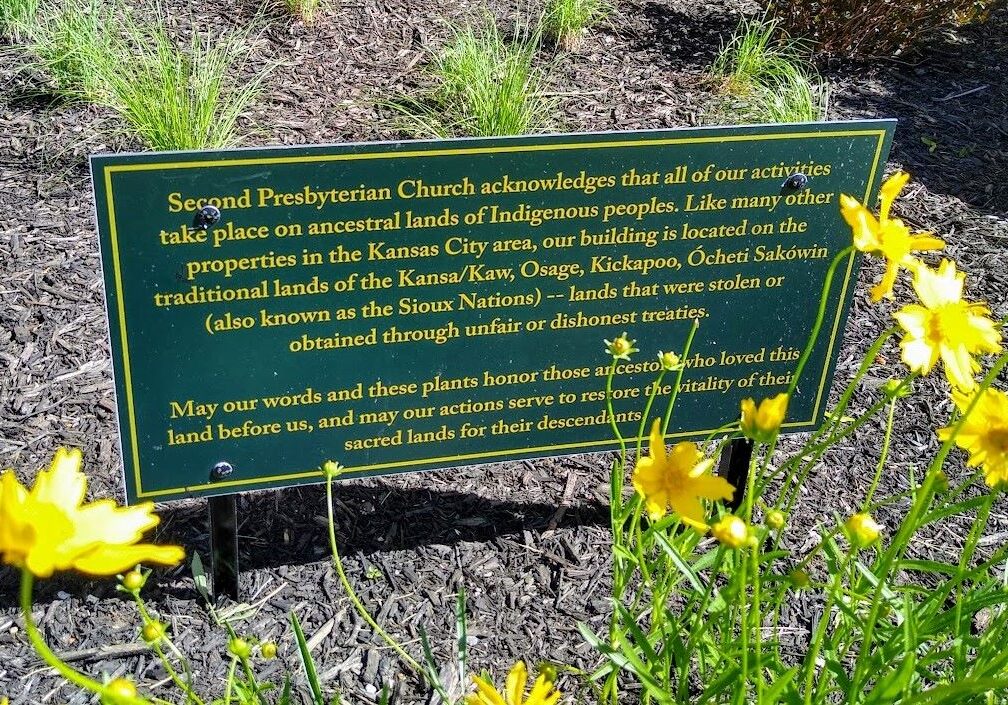
But at least we can learn and help others learn. We can work to create healthy relations with Indigenous communities still here today. We can — and have — installed a “land acknowledgement” sign amid some native plantings on our church grounds. And we can encourage others to do similar things.
We also can try to understand what a Lakota woman named Mary Brave Bird meant when she said this: “The land is sacred. These words are at the core of your being. The land is our mother, the rivers our blood. Take our land away and we die. That is, the Indian in us dies.”
Bill Tammeus, an award-winning columnist formerly with The Kansas City Star, writes the “Faith Matters” blog for The Star’s website, book reviews for The National Catholic Reporter and for The Presbyterian Outlook. His latest book is Love, Loss and Endurance: A 9/11 Story of Resilience and Hope in an Age of Anxiety. Email him at wtammeus@gmail.com.
Reading these stories is free, but telling them is not. Start your monthly gift now to support Flatland’s community-focused reporting.
Related Stories
A Better Big Blue Battlefield in Kansas City | Part II
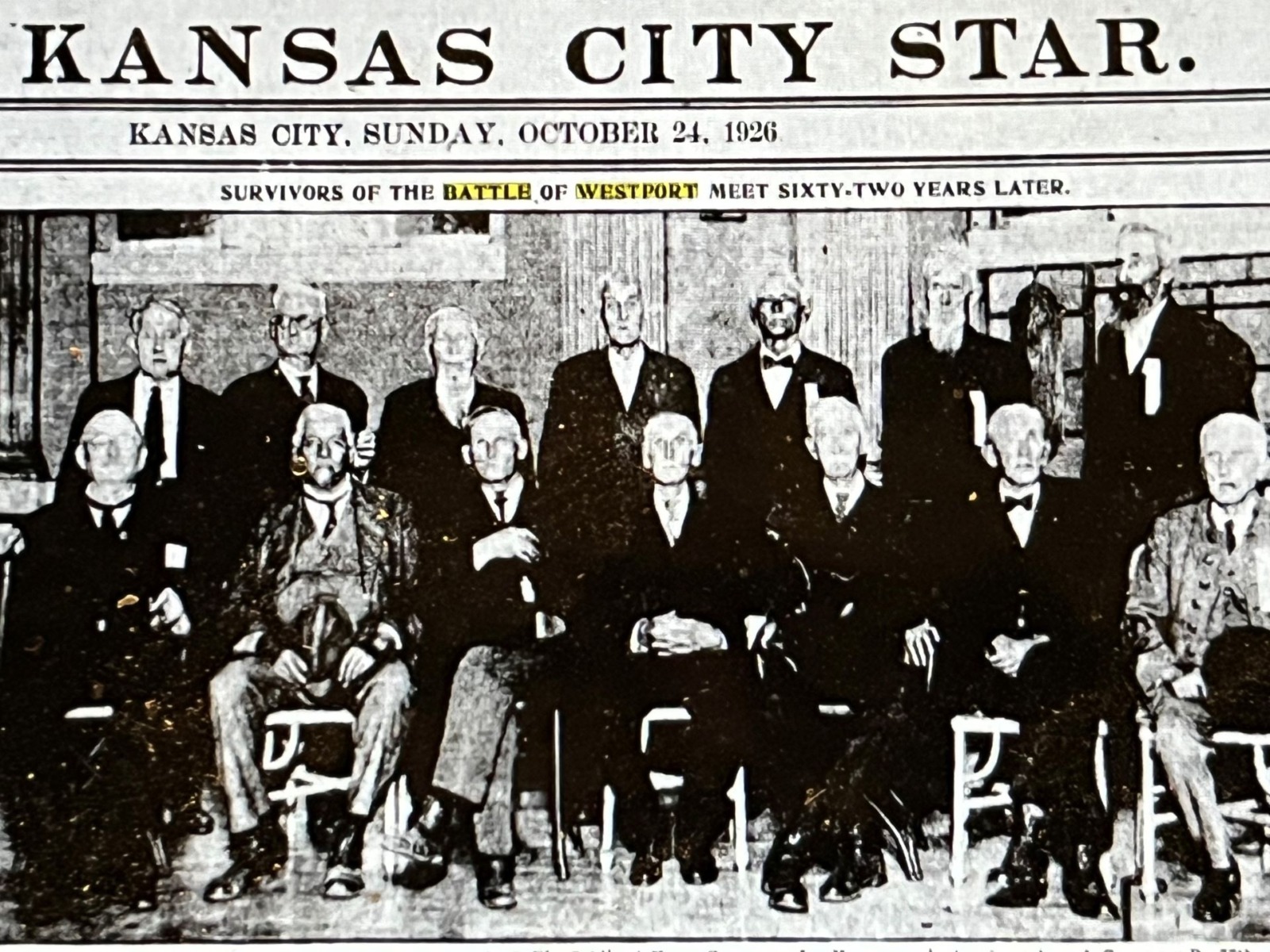
Editor’s note: This is the second installment of a three-part series on the restoration of the Big Blue Battlefield in Kansas City, Missouri. In the mid-19th century, overland trail teamsters driving wagons west sometimes followed a branch of the Santa Fe Trail out of Independence, using the shortcut to reach fields where the animals used…
A Better Big Blue Battlefield | Part I
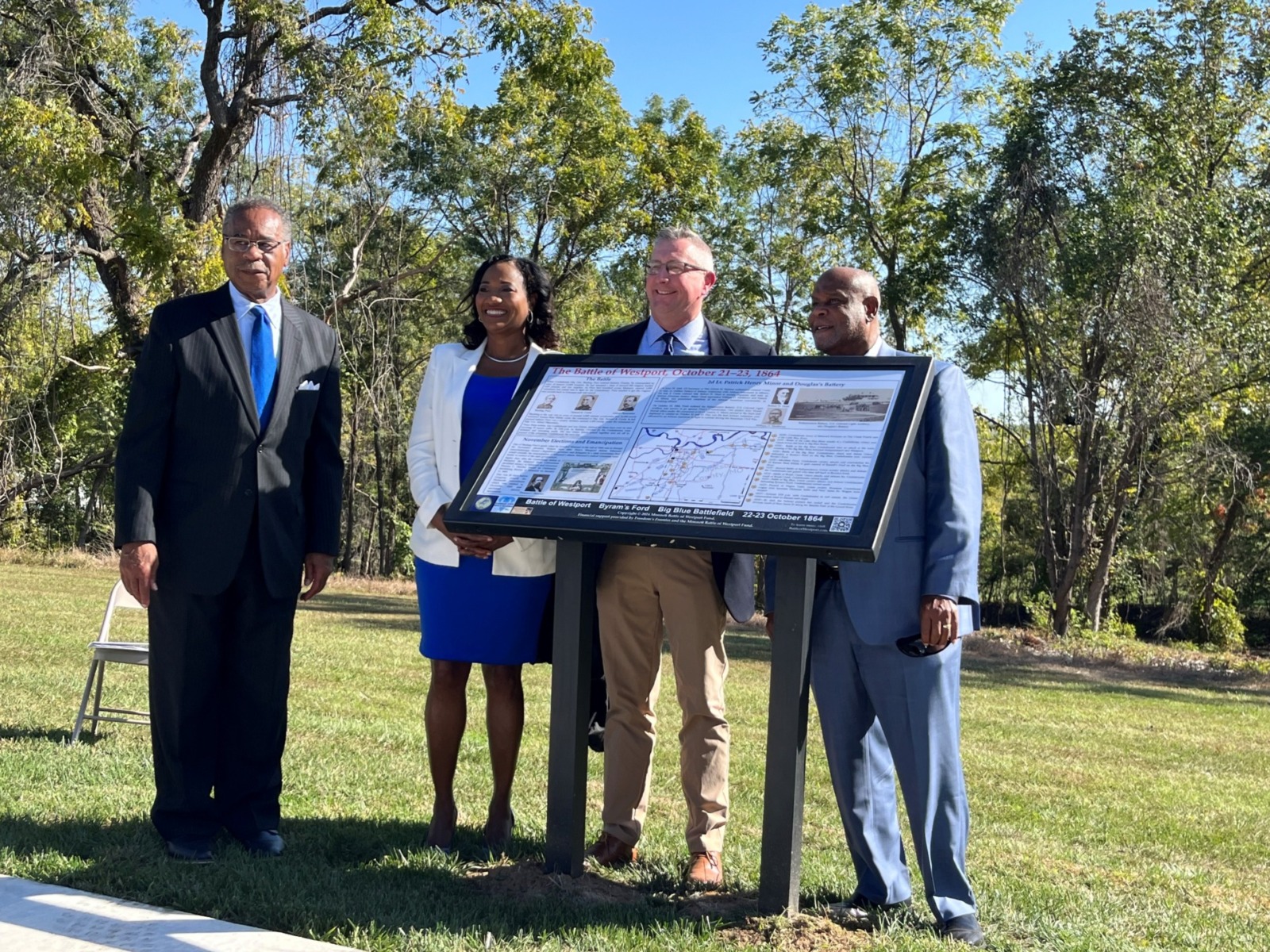
Editor’s note: This is the first installment of a three-part series on the restoration of the Big Blue Battlefield in Kansas City, Missouri. It was cold for late October in Kansas City. In 1864 Lt. Patrick Henry Minor, then leading an artillery battery against Confederate forces, would die the following March, from what likely had…
From Monasteries To Mainstream: Some Find Healing And Purpose Through Spiritual Direction
Several years ago, the Rev. Lisa Senuta, now an Episcopal priest in the Diocese of Kansas, became the rector of a church on Chicago’s ritzy North Shore. But, she says, “about 18 months in, the place was just eating my lunch. I was having panic attacks, which was very unusual for me.” So she got…