
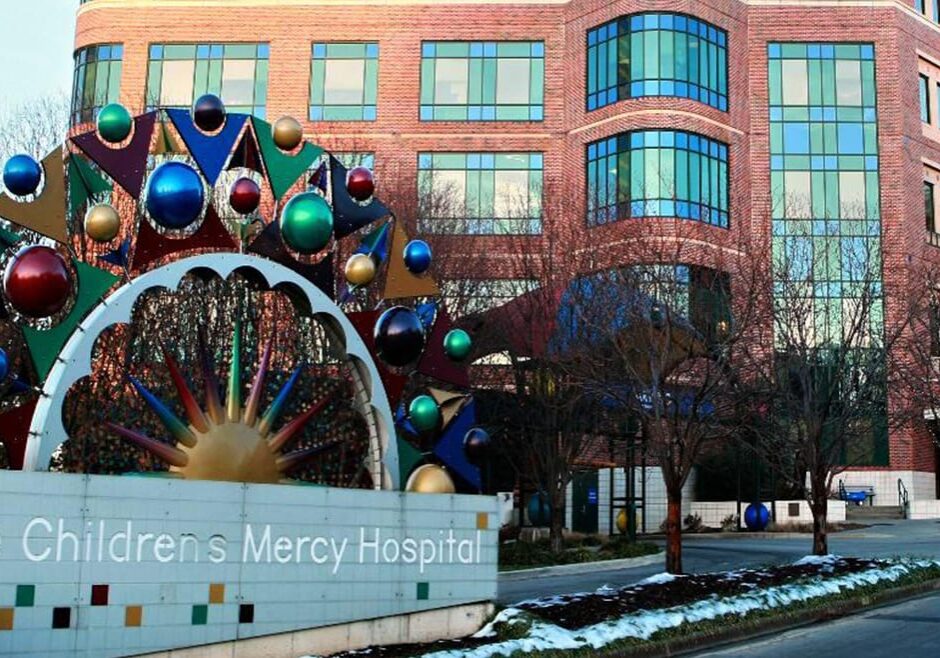
Children’s Mercy adds heart transplants to cardiac program
November 11, 2014 | | 4 min read
Over the years, physicians at Children’s Mercy Hospitals and Clinics have developed substantial expertise in caring for patients before and after they receive heart transplants.
But now the hospital can provide the full spectrum of care to these children, following approval last week for it to perform such transplants itself.
The go-ahead came from the United Network for Organ Sharing (UNOS), a nonprofit group that oversees organ allocation and transplant programs under contract with the federal government.
At any given time Children’s Mercy cares for as many as 60 heart-failure patients – some of whom the hospital previously had to refer out for transplants in St. Louis or Denver, said Dr. Aliessa Barnes, the medical director of the transplant program.
In addition, she said, Children’s Mercy generally has in its care about two dozen patients who have had transplants elsewhere but live in the Kansas City area.
“We just needed to be the ones that are now able to put in that heart and handle them right after surgery and therefore keep these lovely families where they live, where they work, and where their social support is,” she said.
About 60 programs nationwide perform heart transplants on patients under age 18, according to the organ sharing network.
Barnes said she expects Children’s Mercy to do no more than seven transplants per year at first and eventually more than 10 annually – which she said is the benchmark for a highly active program.
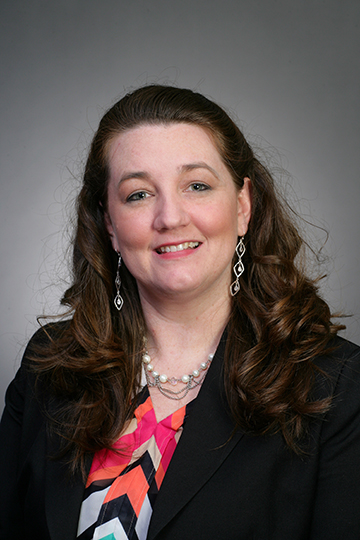
Dr. Aliessa P. Barnes is the medical director of the new heart transplant program at Children’s Mercy Hospital. (submitted photo)
Nationally, doctors performed approximately 400 pediatric heart transplants last year, according to UNOS data.
But in any given year, according to Barnes, there are as many as 150 children in need who do not receive hearts – meaning that, based on last year’s figures from UNOS, demand outstrips supply by nearly 30 percent.
Last year alone, according to the organ network, health professionals added nearly 600 children to the waiting list for heart transplants.
Within the past two decades, according to UNOS, fewer than 10 percent of the roughly 8,800 children awaiting heart transplants came off the list because their condition improved. But double that amount came off the list because they died or were too sick for a transplant.
Barnes said she has seen children die while on the transplant list, and she said that is why she stresses transplantable hearts are a scarce resource.
“Hearts don’t grow in a bucket,” she said. “They are always in demand.”
Last year, according to Children’s Mercy, the hospital’s team performed more than 450 surgical heart procedures and provided more than 15,000 cardiac outpatient visits.
Barnes called the UNOS certification a “huge landmark” in that it confirms Children’s Mercy has the expertise in place to launch a heart transplant program.
The hospital recruited Barnes and Dr. James St. Louis to lead its heart transplant team.
The team
Barnes, a pediatric cardiologist specializing in heart failure and cardiac transplantation, comes to Children’s Mercy after serving as the medical director of heart transplantation at Children’s Medical Center in Dallas.
St. Louis, the surgical director of the program, is a thoracic and cardiac surgeon with more than 15 years of pediatric experience. He previously was the director of pediatric cardiac transplantation at the University of Minnesota Amplatz Children’s Hospital.
Children’s Mercy began its effort to start a heart transplant program three years ago.
Barnes said the hospital needed to restructure its cardiac program, then recruit personnel for the program and then complete the application for approval.
Along with the transplant program, Children’s Mercy is also beginning to use ventricular assist devices, which are basically mechanical hearts supporting patients as they wait for a new heart.
Though it is far from the optimum scenario, Barnes said, patients can live for more than a year with one of these devices without major complications.
Barnes said that, while she was in Dallas, the youngest heart transplant patient was only a week old.
That said, Barnes noted that heart transplants are not necessarily the most delicate heart surgeries performed by pediatric heart surgeons.
“It is amazing – the hearts are like the size of a walnut and you can imagine what the blood vessels look like,” Barnes said. “I mean honestly, the surgeons – I am in the field – and I am completely awestruck by what they are able to do.”

Reading these stories is free, but telling them is not. Start your monthly gift now to support Flatland’s community-focused reporting.

Related Stories

Nick’s Picks | Roads, Bathrooms, Costco and More …
New Toll Road Opens Kansas City’s first toll road opens this week. Starting Saturday, you’ll pay up to $3.50 to travel the new express lanes on U.S. Highway 69 from 103rd to 151st streets in Overland Park. There are no toll booths — cameras scan your license plate, and a bill arrives by mail. KTAG…
Up From the Ashes: Warwick Theatre Revival Draws Applause
Two years ago, John Cleary met a fellow Kansas City actor for drinks. Their conversation centered on the fate of the Metropolitan Ensemble Theatre. A large portion of the ensemble’s home, the Warwick Theatre, was ash, charred timbers and soot-saturated costumes and props — remnants from a recent massive fire. The destruction was so great…
Nick’s Picks | Baseball, Drones, Romance and More …
Royals Reveal Next week, the Kansas City Royals head to Arizona for Spring Training. And that’s the mayor’s self-imposed deadline to lock in a stadium deal. So, is this finally the week owner John Sherman steps to the plate and unveils where the Royals will build their next home? At last week’s council meeting, Mayor…