
News & Issues
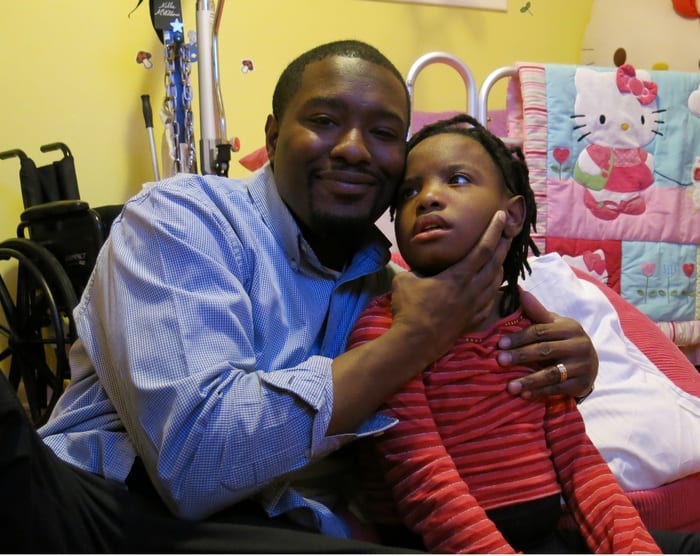
When is genomic sequencing worth the cost?
In a Children’s Mercy Hospital lab, what look like hotel minibars with keyboards attached line the walls. These are the latest generation of genome sequencing machines, light years ahead of the first sequencing technology. In 2003, after 13 years, scientists finished mapping the first human genome – that’s more than 3 billion pairs of DNA letters – at a cost of $3 billion. It was one of the great scientific triumphs of modern times. Now, with these newest machines, it’s possible to map a person’s genome in days for thousands of dollars – although what’s often actually examined is a small fraction of the genome called the exome. But sequencing is still more expensive than the standard initial tests for someone with a neurological disorder, and those tests remain the standard practice.

Do ride apps decrease drunk driving?
The ride-hailing service Uber and Mothers Against Drunk Driving (MADD) released a report today claiming that app-based car services like Uber decrease the number of auto crashes from drunken driving. The study was based on interviews conducted online, not on crash or arrest data. But, four out of five people who responded to the survey…

KC safety-net clinics get computer links, thanks to health care foundation
The Health Care Foundation of Greater Kansas City will help three Kansas City safety net clinics share patient data electronically with providers throughout Missouri. The foundation said in a news release Monday that it’s paying $375,000 to hook up Swope Health System, Samuel U. Rodgers Health Center and KC CARE Clinic to Missouri Health Connection (MHC).
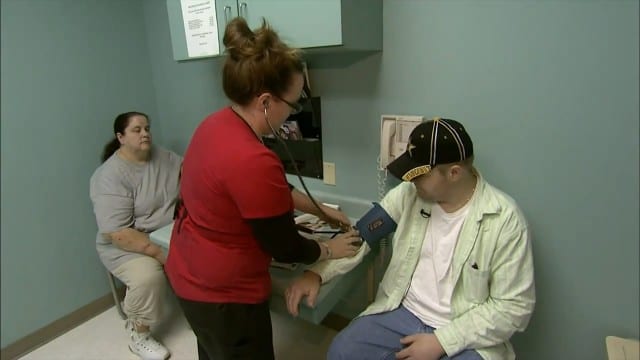
Pace is slow, but enrollment is up for ACA in Kansas and Missouri
Thousands of Kansans and Missourians signed up for insurance on the federal exchange last week, though the pace has slowed since the first several robust weeks of the second Affordable Care Act open enrollment period.

Why Missouri Medicaid expansion for veterans gets mixed reviews
The Veteran’s Family Healthcare Act, which would provide Medicaid coverage for veterans, their spouses and dependent children with incomes between 19 percent and 138 percent of the federal poverty level.