
Blue River Cleanup Targets Trash, Invasive Species
October 7, 2025 | | 8 min read
A restoration project is underway along the Blue River watershed, a collaborative effort by four nonprofit partners: The Heartland Conservation Alliance, Bridging The Gap, Deep Roots, and Mid-America Regional Council. The groups signed the contracts officially in May.
“The day that we got our signed contract sent to us from the city kind of felt like Christmas morning,” said Hunter Moore, a restoration ecologist and Kansas City WildLands program manager with Bridging the Gap. “I think that the fact that we have, you know, over a thousand acres of natural areas like this across the metro should be talked about and should be a sense of pride.”
The work is funded by a $5 million federal grant through the American Rescue Plan Act of 2021 (ARPA), and the project acknowledges how the river changes as it flows through the metro area. Because different sections have different needs, the restoration project is dividing its work into two different zones.
The Blue River, which flows from south to north, presents different challenges in each section. The project divides the waterway to tackle the specific needs of each zone, a decision based on factors like water quality, habitat type, invasive species and illegal dumping.
Upper Blue River, or the south zone, is considered the “pretty high quality” section. It begins in Johnson County, Kansas, and flows north, crossing the state line.
This zone, with areas like Minor Park, has fewer issues with illegal dumping and is more popular for recreation like hiking and kayaking. The restoration work here, led by Bridging the Gap’s Kansas City Wildlands team, focuses on removing invasive species and restoring native plants to support the ecosystem surrounding the water.
The middle and lower Blue River, the north zone, starts around Swope Park and continues north. It also shows more of the effects of water quality degradation and human impact. Here, Heartland Conservation Alliance is heavily involved in tackling widespread illegal dumping and extensive invasive plant populations that have taken over.
Taking out the trash… again.
The first problem to tackle: illegal dumping.
“We’re doing restoration work in areas that have been kind of left alone for a long time. I think illegal dumpers know that,” Damon Patterson, the conservation project manager with Heartland Conservation Alliance, said. “They know that this is kind of a lawless area in a sense. Like, there’s no signage. There are no cameras. There’s no lighting. There’s not a house nearby.”
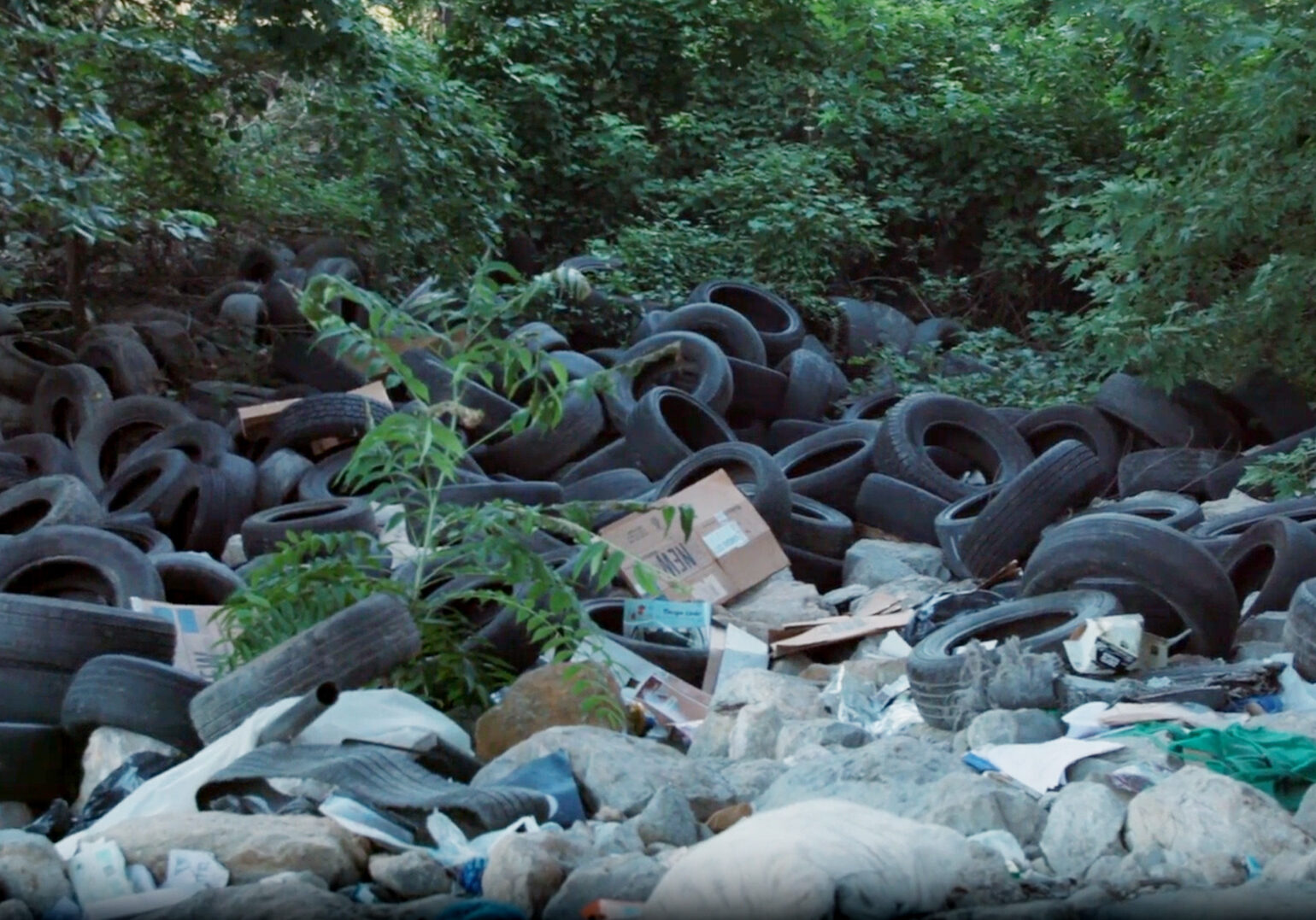
Loose tires, broken kids’ toys, entire dumpsters, soggy dentures, and even a milk truck have been fished out of the Blue River.
“Anything you have in your house,” Vicki Beiriger Richmond, project coordinator for Project Blue River Rescue, said. “We’ve found it in the river.”
With decades of volunteer service cleaning up along the Blue River, Beiriger Richmond’s friends call her a subject matter expert. She can immediately identify what a piece of trash used to be, no matter how broken down or covered in muck it is. She’s even learned to count tires by eyeballing a pile and quietly circling them in groups of five with a flick of her wrist.
For the past 35 years, Beiriger Richmond, along with dozens of other community members, has dedicated the first Saturday in April to Project Blue River Rescue.
During the 2025 cleanup, workers fished out more than 800 tires from the ditches along roads and along the river’s bank and bed. Another tire cleanup in May resulted in another thousand tires.
And within two months, the problem was back. New piles of tires, still in the hundreds, some pushed even further down the hills to make room for more illegal dumping.
Those piles are the trash that helps the community have a visual to rally behind the cause, Beiriger Richmond added. The sight of tires along a park or a trail in nature can feel jarring and out of place. But in reality, tires aren’t the only problem.
“This stuff is everywhere,” Beiriger Richmond said. “Just today as we were touring, we found tennis shoes, kids’ clothes, clothing, mattresses, fruit, vegetables, a kitchen’s worth of stuff, somebody’s living room, a dining room table– and we went to three spots.”
Illegal dumping isn’t a new issue in any urban area. Kansas City has introduced many different potential solutions over the years, including steeper fines and increased surveillance.
And yet, there the trash is.
“There’s always trash,” Beiriger Richmond said. “And we’re all on the same side. Trash is bad.”
According to the organizations involved, building a connection between people and the river, making trails easier to access and keeping the ecosystem healthy and beautiful could potentially help reduce illegal dumping. Basically, the hope is that more eyes, active visitors to the area and general upkeep will discourage trash.
Reclaiming the landscape
Cleaning up the trash is one part of the fight, but the second battle is against invasive species. A fight that’s potentially a little more daunting, given how widespread the issue has become.
Not just along the river, but state-wide, aggressive plants have taken over the ecosystem and caused their own issues.
“Most people don’t know that these natural spaces are very, very degraded,” said Christian Holderby, conservation land steward for the Heartland Conservation Alliance. “The amount of infrastructure that has gone in and the amount of damaging practices that we’ve utilized in the last couple of hundred years here really affect our natural spaces.”
One of the most notorious is Amur honeysuckle, which was brought to the U.S. in the 1850s for gardens. Birds eat the bright red berries and then deposit the seeds in “fertilizer packets” of bird droppings.
Honeysuckle is an ecological problem because it has no natural enemies in Missouri. It leafs out earlier in the spring and holds its leaves later into the fall than almost anything else, shading and outcompeting native plants for resources. As a result, the plant quietly destroys micro-habitats for anything living around it.
“The thing about invasives is they’re proactive. They’re always going somewhere else,” Holderby added. “They’re always establishing themselves in a different area of the city, continuously, taking up space that natives could be growing in and affecting the food chain and all just our natural communities as a whole.”
Other invasive plants on the list for removal include musk thistle, cut-leaf teasel, Fortune’s spindle and Johnsongrass.
Tackling invasive species is a multi-pronged effort.
The project uses a mix of manual and mechanical methods, depending on the severity of the problem.
For species like bush honeysuckle and wintercreeper, teams use hand-pulling and loppers. For especially thick areas, groups can bring in gas-powered or electric equipment. ARPA funding has made it possible to bring in equipment for these larger jobs.
“We always make sure to treat it with the least amount of chemicals as possible while still being effective so that it doesn’t resprout and we waste all of our efforts,” Moore added.
The fight against invasives is also a community effort. Much of the invasive plant management is done by volunteers.
A ripple effect
Overall, the four organizations aim to restore 250 acres of the river’s riparian zone. This critical strip of land right alongside the river is a natural buffer and filter. The restoration work will help control flooding, reduce erosion, and improve water quality.
A healthier Blue River means cleaner drinking water for everyone. A cleaner river also leads to a thriving ecosystem with more wildlife and a better quality of life for people, with more opportunities for recreation like walking, biking, and fishing.
“This river is going to end up in the Missouri River. And that just to kinda generalize, I guess, all of the water that we ever use comes from the Missouri River,” said Jacobo Barriga, program coordinator at Kansas City WildLands. “We want to make sure that we are lessening the work that our facilities have to do in order to clean that water, and the best way to do that is to make sure that our river systems are clean.”
Whether it’s making sure you’re picking up your own trash or helping in a larger-scale clean up, it all starts with someone’s actions, Beiriger Richmond added.
“Everyone has a part to play,” she said. “And all they have to do is step outside and play it.”
Abigail Landwehr was the summer 2025 Dow Jones Journalism Fellow for Flatland. She graduated with degrees in journalism and multimedia communication from Casper College and the University of Missouri. She hails from out west in Wyoming and brings a deep appreciation for the outdoors with her.
Previous Flatland Reporting on the Blue River

Reading these stories is free, but telling them is not. Start your monthly gift now to support Flatland’s community-focused reporting.
Related Stories
Nick’s Picks | Roads, Bathrooms, Costco and More …
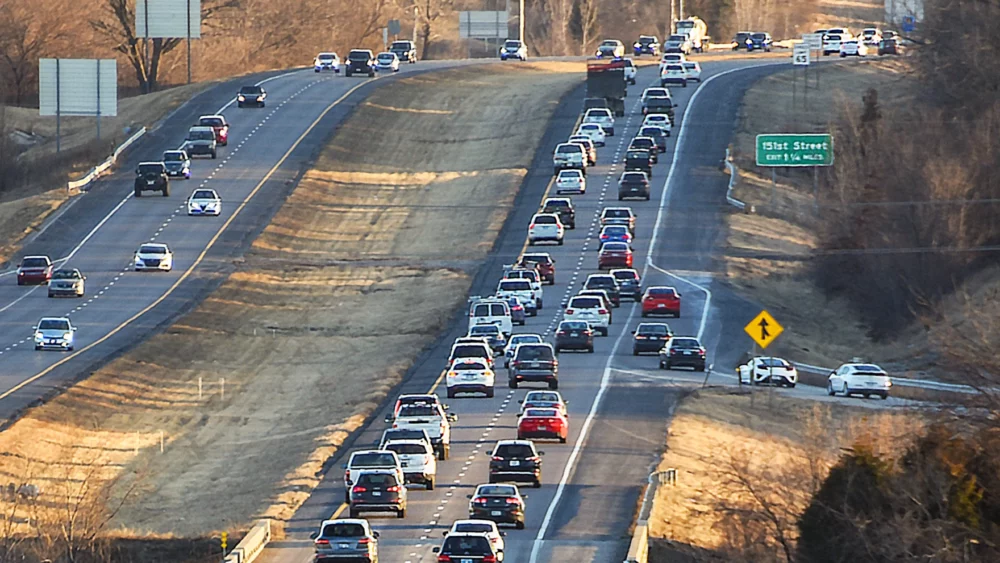
New Toll Road Opens Kansas City’s first toll road opens this week. Starting Saturday, you’ll pay up to $3.50 to travel the new express lanes on U.S. Highway 69 from 103rd to 151st streets in Overland Park. There are no toll booths — cameras scan your license plate, and a bill arrives by mail. KTAG…
Up From the Ashes: Warwick Theatre Revival Draws Applause
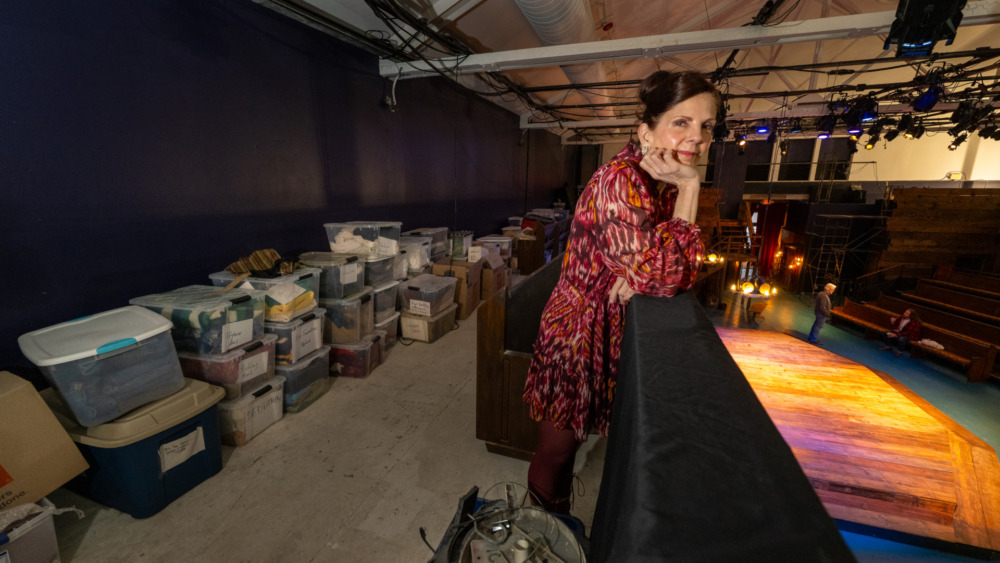
Two years ago, John Cleary met a fellow Kansas City actor for drinks. Their conversation centered on the fate of the Metropolitan Ensemble Theatre. A large portion of the ensemble’s home, the Warwick Theatre, was ash, charred timbers and soot-saturated costumes and props — remnants from a recent massive fire. The destruction was so great…
Nick’s Picks | Baseball, Drones, Romance and More …
Royals Reveal Next week, the Kansas City Royals head to Arizona for Spring Training. And that’s the mayor’s self-imposed deadline to lock in a stadium deal. So, is this finally the week owner John Sherman steps to the plate and unveils where the Royals will build their next home? At last week’s council meeting, Mayor…