
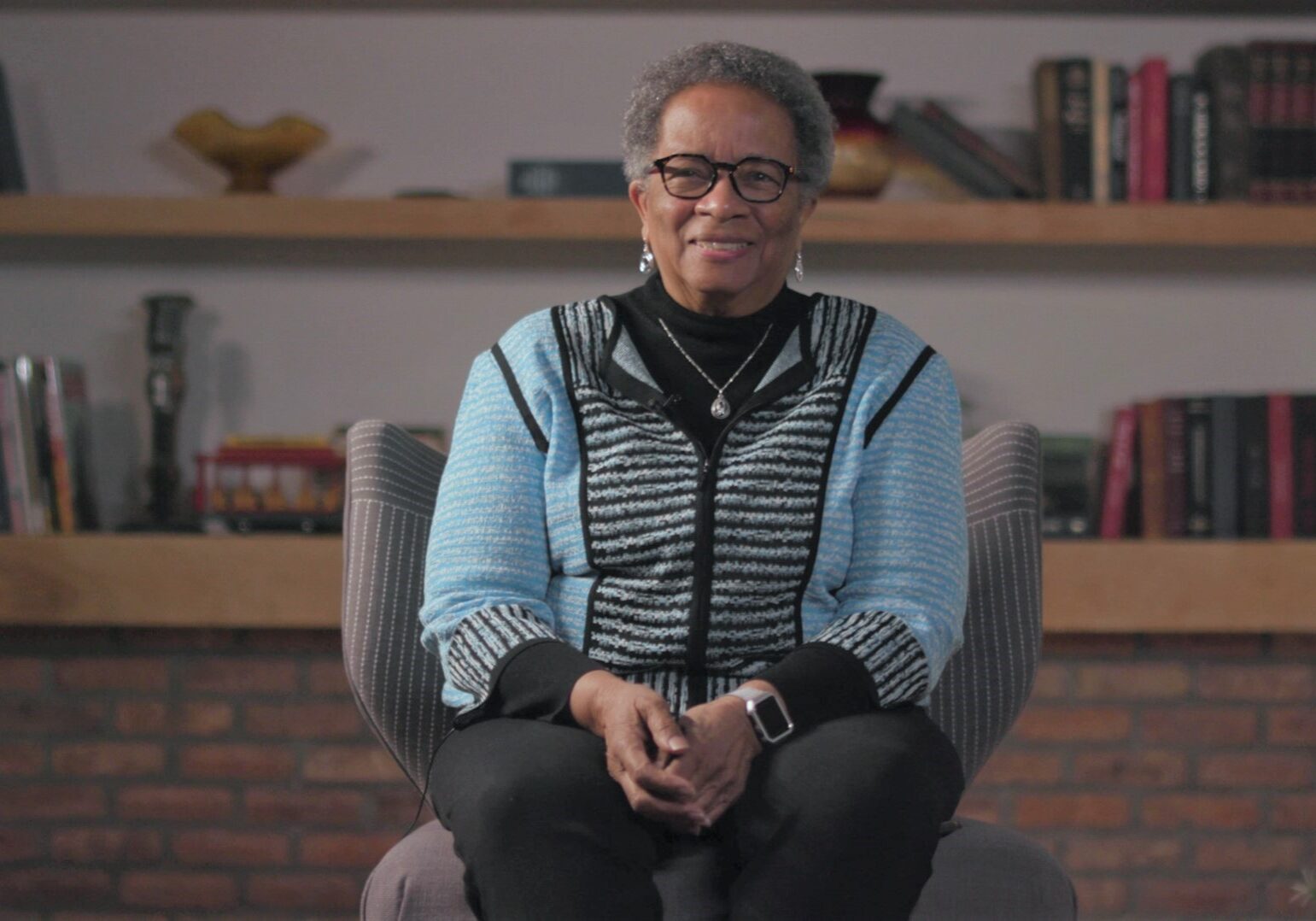
When Judge Isaac Franklin Bradley Sr. was born in Saline County, Missouri, he was considered property. By the time he died, his name had been etched next to the likes of W.E.B. Du Bois as a civil rights leader, lawyer, judge and entrepreneur.
His granddaughter, Frances Bradley Robinson, has spent years trying to piece together everything that happened in between.
“In studying history and being involved in some of the stuff in Kansas City, Kansas, that is now history, if I had to grade who probably made the biggest impact on African Americans in Kansas City, Kansas, it would be I.F. Bradley Sr.,” said local historian Chester Owens.

Robinson never knew her grandfather, and the endless tales of his impact on the Black community of KCK never interested her as a child. It wasn’t until recently that she decided to take a deep dive into his life and accomplishments.
“I’m terribly interested now. It’s almost a passion,” Robinson said.
Through her research, she’s come to feel a connection to the grandfather she never knew. Her primary point of pride comes from the fact that while the judge garnered many “firsts” in his lifetime, he made sure that he would never be the last.
Bradley was the first Black graduate of the University of Kansas School of Law. Coming from a background of enslavement and very little education, he had to fight to make a place for himself. Today, members of the Black Law Students Association (BLSA) at the University of Kansas continue his legacy of making a place for Black people in the field of law.
“The way has been paved, but it’s still not very commonly traveled,” said Donald Pinckney II, the current BLSA president at the University of Kansas.
To learn more about Bradley and his accomplishments, watch the attached video. Robinson also wrote a book about her grandfather, titled “Reasons to Persist.”
More on Kansas City PBS
Catherine Hoffman covers community affairs and culture for Kansas City PBS in cooperation with Report for America. The work of our Report for America corps members is made possible, in part, through the generous support of the Ewing Marion Kauffman Foundation.
Reading these stories is free, but telling them is not. Start your monthly gift now to support Flatland’s community-focused reporting.
Related Stories
A Better Big Blue Battlefield in Kansas City | Part III
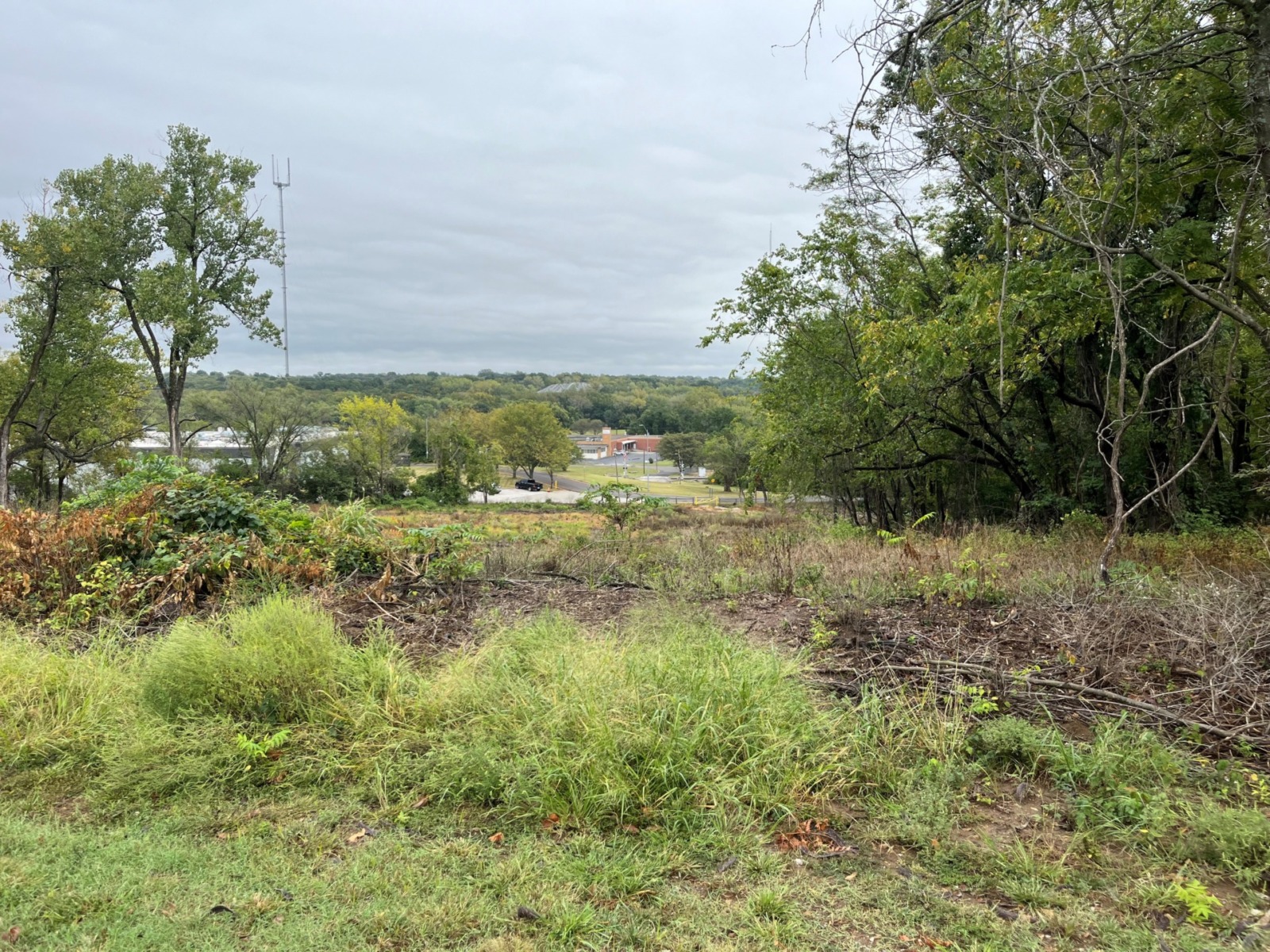
Editor’s note: This is the final installment of a three-part series on the restoration of the Big Blue Battlefield in Kansas City, Missouri. The engagement on the Big Blue Battlefield was pivotal in the larger Battle of Westport, an October 1864 clash that effectively ended organized Confederate military operations in Missouri. As the years receded,…
A Better Big Blue Battlefield in Kansas City | Part II
Editor’s note: This is the second installment of a three-part series on the restoration of the Big Blue Battlefield in Kansas City, Missouri. In the mid-19th century, overland trail teamsters driving wagons west sometimes followed a branch of the Santa Fe Trail out of Independence, using the shortcut to reach fields where the animals used…
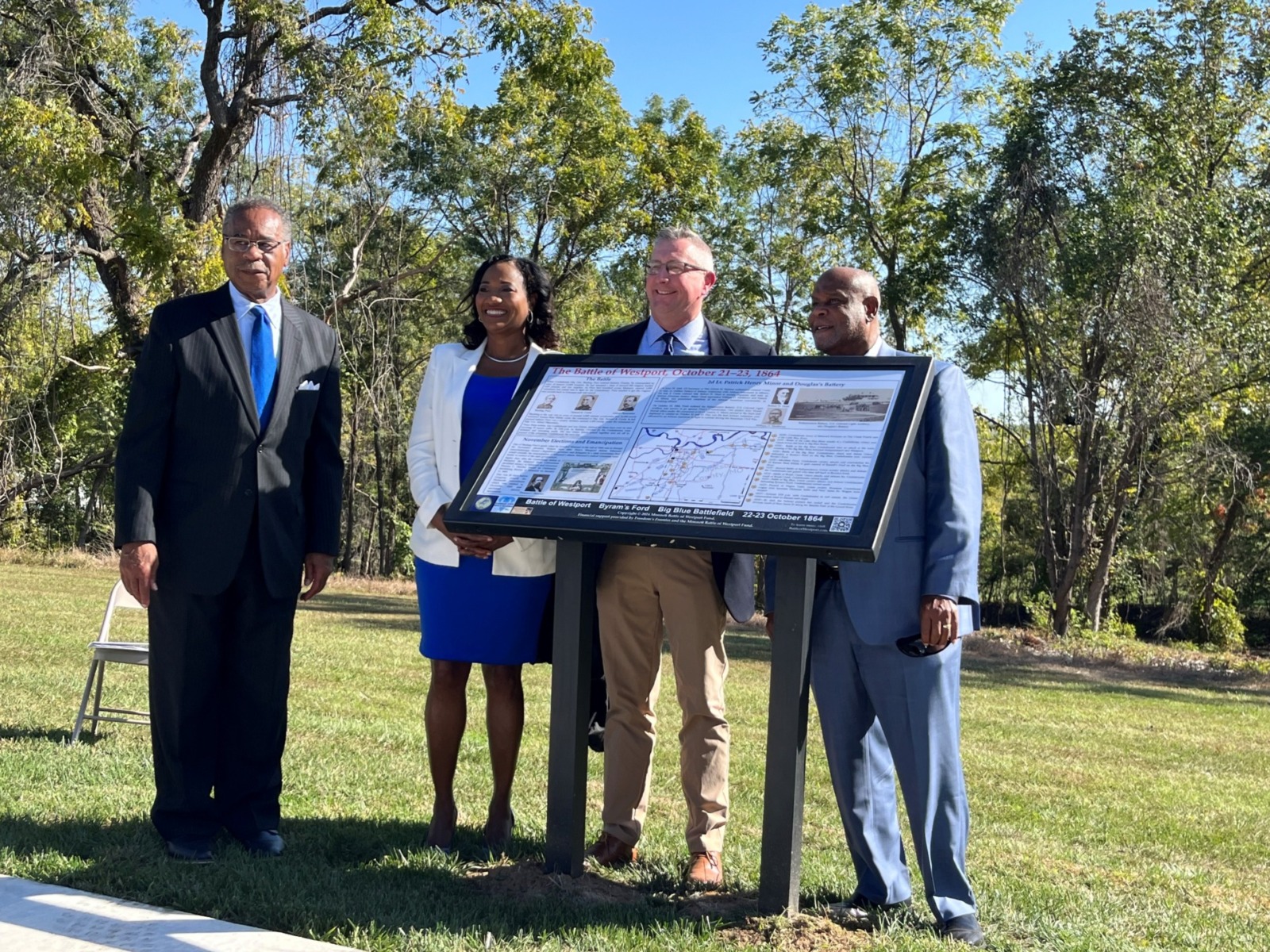
A Better Big Blue Battlefield | Part I
Editor’s note: This is the first installment of a three-part series on the restoration of the Big Blue Battlefield in Kansas City, Missouri. It was cold for late October in Kansas City. In 1864 Lt. Patrick Henry Minor, then leading an artillery battery against Confederate forces, would die the following March, from what likely had…