
A Statue of a Slave Owning President Stands in the Heart of Kansas City
June 11, 2020 | | 4 min read
Last Friday, Kansas City Mayor Quinton Lucas addressed a crowd from the steps of City Hall following a tumultuous week of global protests after Minneapolis police killed George Floyd.
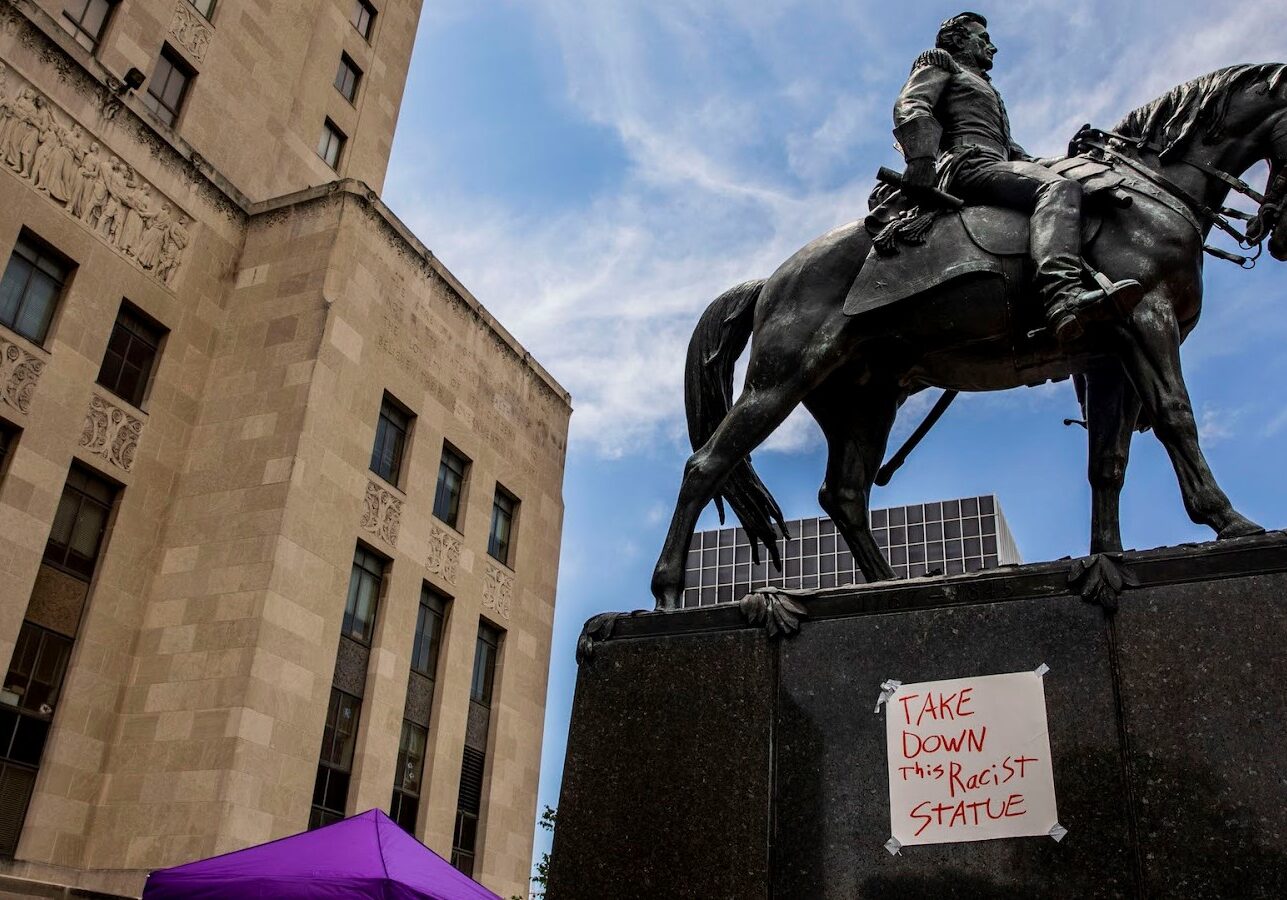
“Look back at that building,” said Lucas, pointing at the Jackson County Courthouse. “Who stands in front of it? Andrew Jackson — a terrible president.”
The crowd erupted with boos.
“Our county is named after him,” Lucas said. Gesturing to the east, he said: “You’ve got the police headquarters. The same time. You’ve got City Hall, behind me. The same time.
“The foundation of what we are built off is the problem. But what do we have to do? We have to shake up the foundation.”
The crowd erupted again in applause, echoing off of Andrew Jackson’s stony visage.
Jackson sat atop his high horse across the street as the mayor went on to outline recent policy changes that call for outside investigations of each incident of police misconduct and each incident of use of force.

Since protests began after police killed George Floyd, monuments of slave owners and purveyors of genocide all over the world have been torn down. A statue of Christopher Columbus in Richmond, Virginia , a statue of Robert E. Lee in Richmond, Virginia, and a statue of Robert Milligan in the United Kingdom, among others, have been removed. (Video here)
The statues have toppled against the backdrop of international conversations around institutional racism, specifically in the United States, and how best to address it.
Major topics in these conversations include:
- Piecemeal reform such as body cameras to address racially biased police brutality.
- The origins of law enforcement as a force charged with catching runaway slaves.
- The value of surface level support echoed by businesses, politicians and law enforcement that stop short of advancing fundamental change.
Whether intended or not, Jackson’s statue now standing at the heart of Kansas City is monument to the legacy of white supremacy.

In 2019, a plaque was planned to be affixed to the statue that would list Jackson’s atrocities alongside the military accomplishments of the former president. However, the move came under fire after it was discovered that the wording for the plaque was drafted and approved by white legislators without the consultation of Native Americans or African Americans.
Here’s the history.
Jackson owned two plantations. One plantation was in Tennessee and the other was in Mississippi. During his lifetime he enslaved 161 black men, women and children in order to grow his cotton across the two properties. Jackson also actively opposed abolitionism, the movement to end the Atlantic slave trade and set slaves free.
On May 28, 1830, President Jackson signed The Indian Removal Act, which forcibly relocated tens of thousands of Native Americans to territory west of the Mississippi River, an event remembered as the “Trail of Tears.” Exposure, disease and starvation along this route resulted in the deaths of thousands of Muscogee, Seminole, Chickasaw, Choctaw, freed slaves and a quarter of the Cherokee nation.
Today, a statue of the slave owner who opposed abolition and forcibly removed Native Americans from their homes stands in front of a courthouse in the county that bears his name, a courthouse that functions as part of a system designed to provide equal justice under the law.
While there are moves afoot to rename the J.C. Nichols fountain near the Country Club Plaza, it is not the only symbol of white supremacy in our midst, and arguably not the most odious.
On Friday, Quinton Lucas said we need to shake the foundation of racism. In doing so, he pointed at a Andrew Jackson’s statue.

Reading these stories is free, but telling them is not. Start your monthly gift now to support Flatland’s community-focused reporting.
Related Stories
Nick’s Picks | Roads, Bathrooms, Costco and More …
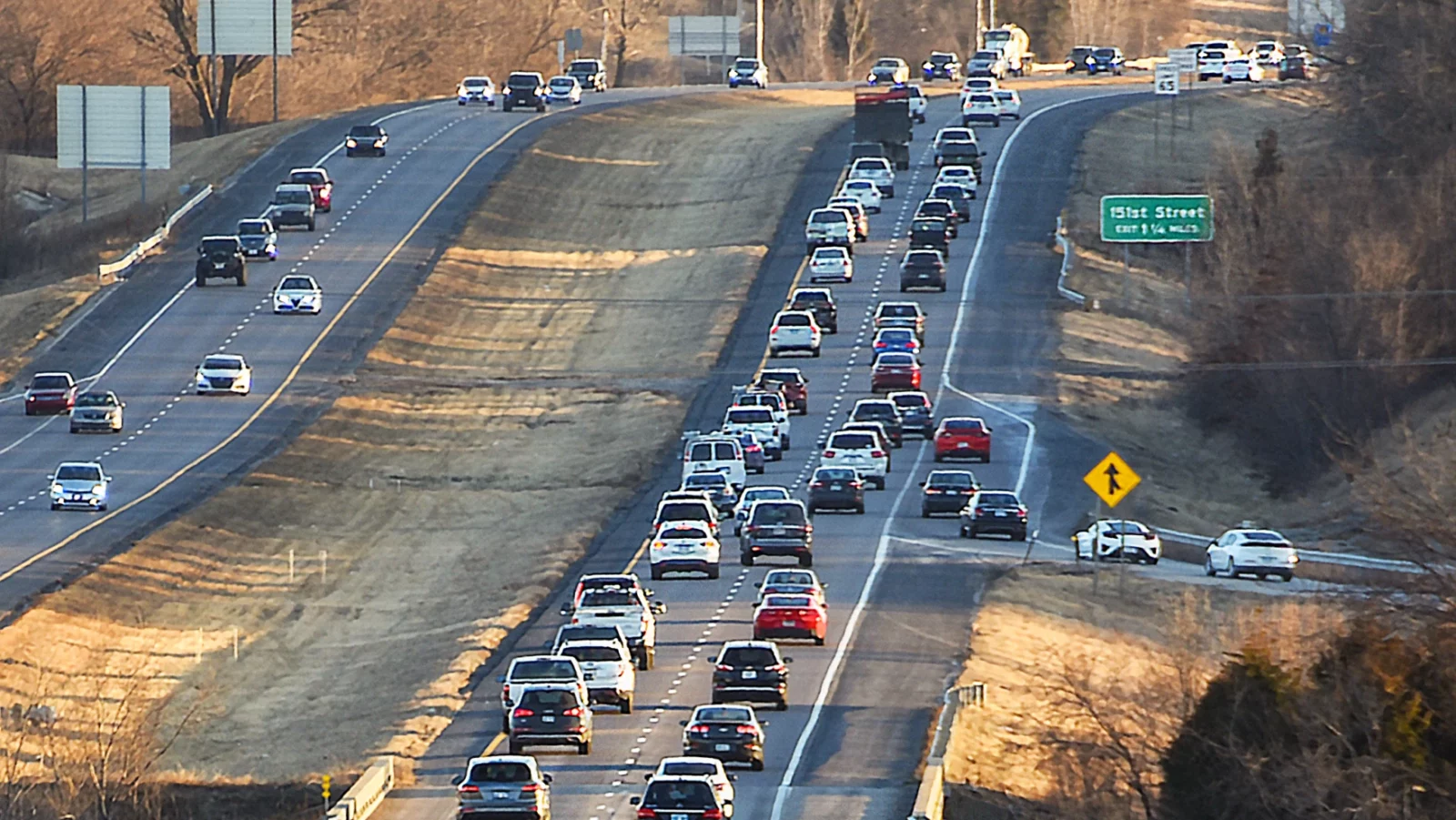
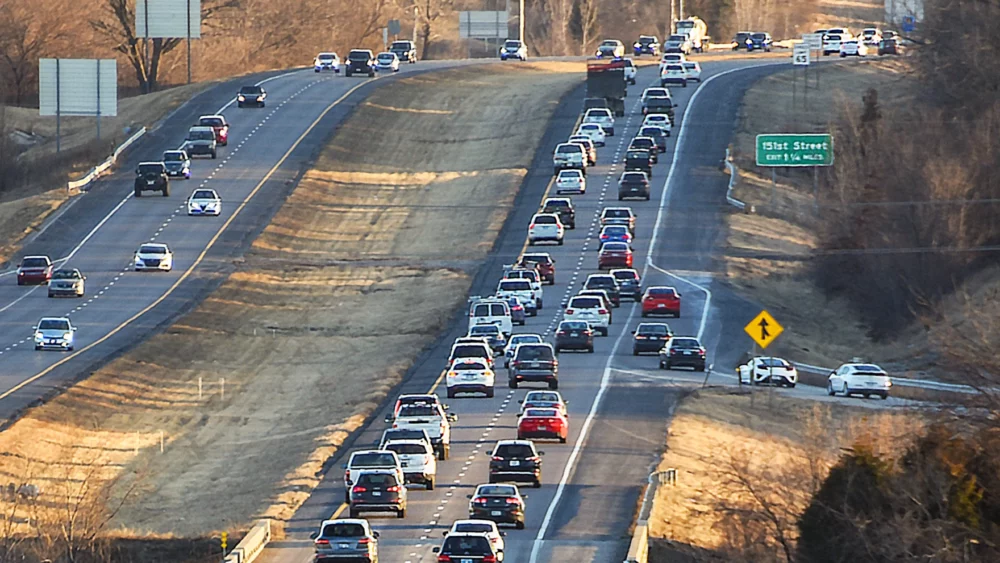
New Toll Road Opens Kansas City’s first toll road opens this week. Starting Saturday, you’ll pay up to $3.50 to travel the new express lanes on U.S. Highway 69 from 103rd to 151st streets in Overland Park. There are no toll booths — cameras scan your license plate, and a bill arrives by mail. KTAG…
Up From the Ashes: Warwick Theatre Revival Draws Applause
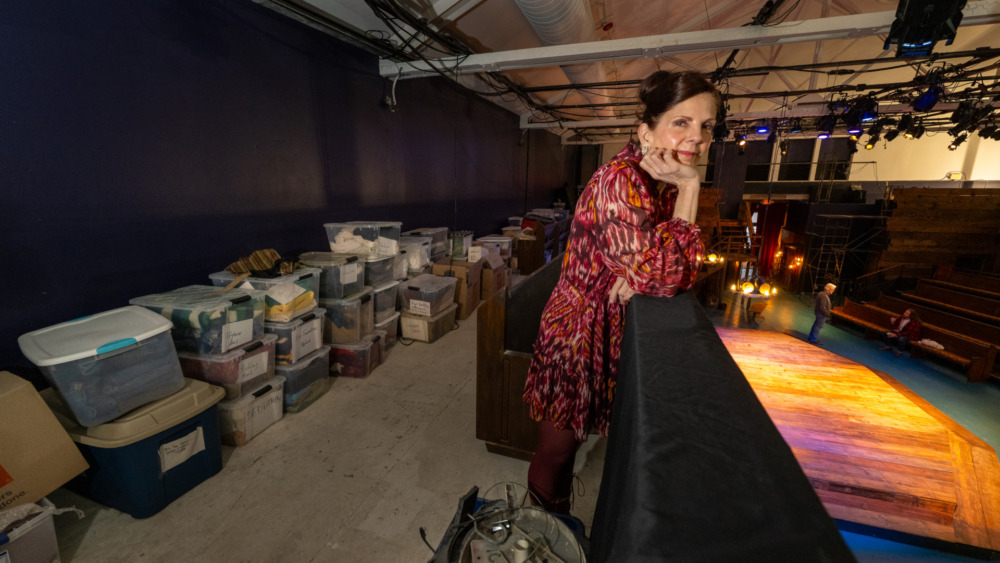
Two years ago, John Cleary met a fellow Kansas City actor for drinks. Their conversation centered on the fate of the Metropolitan Ensemble Theatre. A large portion of the ensemble’s home, the Warwick Theatre, was ash, charred timbers and soot-saturated costumes and props — remnants from a recent massive fire. The destruction was so great…
Nick’s Picks | Baseball, Drones, Romance and More …
Royals Reveal Next week, the Kansas City Royals head to Arizona for Spring Training. And that’s the mayor’s self-imposed deadline to lock in a stadium deal. So, is this finally the week owner John Sherman steps to the plate and unveils where the Royals will build their next home? At last week’s council meeting, Mayor…